

Can Kava Really Help With Social Anxiety?
Oct 30, 2026
Quick Summary
Kava may ease anxiety, but no large controlled trial has tested kava social anxiety directly. Most research studied generalized anxiety, and effects were moderate. Liver safety and medication interactions still need checking before use.
- Direct, controlled evidence for kava social anxiety treatment is absent; the strongest trials studied generalized anxiety.
- Self-reported social-anxiety relief was 25.5% in a 2026 consumption study, but those ratings are subject to bias.
- Kava is linked to rare liver injury, and no well-established toxic dose has been identified.
- Avoid combining kava with alcohol or sedatives, and check medication interactions with a pharmacist first.
- Persistent or worsening anxiety should be treated with evidence-based care such as therapy or medication.
Table of Contents
- Can Kava Really Help With Social Anxiety?
- What the Research Says About Kava for Social Anxiety
- How Kava May Affect Anxiety Symptoms
- Kava Dosage for Anxiety: What Studies and Products Show
- Kava Side Effects and Liver Safety Concerns
- Kava Interactions With Medications and Alcohol
- Using Kava in Social Situations: A Practical Guide
- Deciding Whether Kava Is Right for Your Social Anxiety
- Frequently Asked Questions
Can Kava Really Help With Social Anxiety?
Last Updated: October 30, 2026
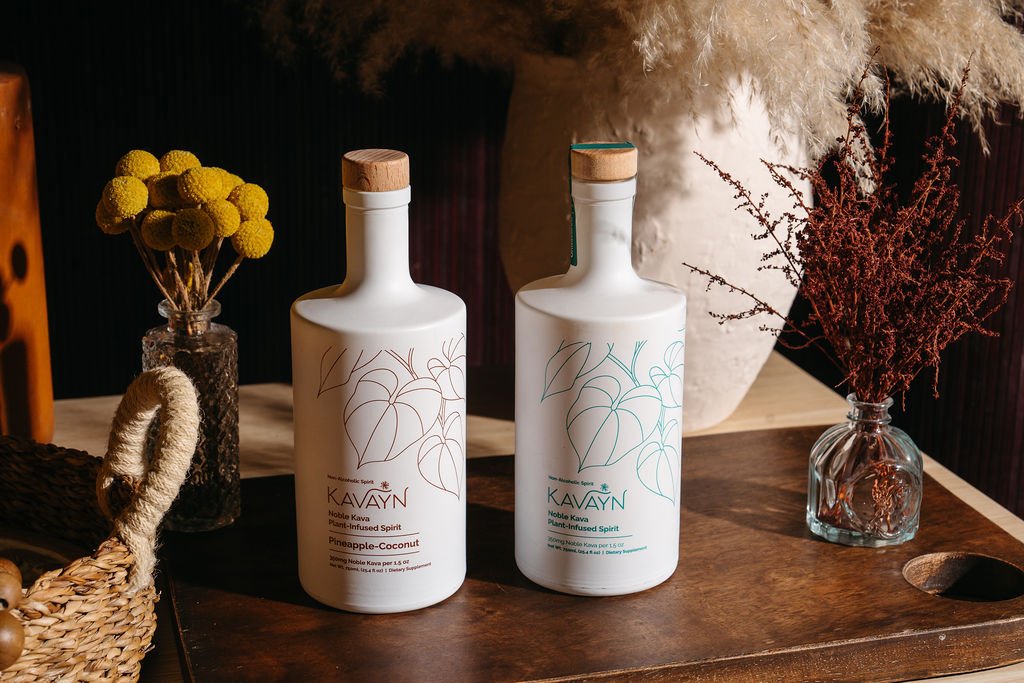
Kava for social anxiety relief is a topic that draws strong opinions, and for good reason, since the kava social anxiety question is genuinely contested. Kavayn publishes this guide to separate what the research shows from what the marketing claims. Plant-based calm sounds appealing, but the evidence for social anxiety specifically is thinner than most articles let on.
What the Research Says About Kava for Social Anxiety
The honest starting point: no large, well-controlled trial has tested kava specifically in people diagnosed with social anxiety disorder (social phobia). That is not a reason to dismiss the question, but it does mean any claim that kava "treats social anxiety" is extrapolation, not direct proof. Here is how to read the evidence that does exist.
The generalized anxiety evidence
The most-cited clinical work on kava and anxiety focuses on generalized anxiety disorder (GAD), a condition marked by persistent, diffuse worry rather than fear of social scrutiny.
A 2018 systematic review of randomized trials summarized that kava was associated with increased anxiety relief, particularly in younger and female samples, while also flagging concerns about long-term use A systematic review and analysis of randomized clinical trials on kava.
Why GAD results do not automatically transfer
Social anxiety and GAD overlap, but they are not interchangeable. Social anxiety is triggered by specific situations, speaking up, meeting strangers, being observed, and often involves anticipatory worry before the event and post-event rumination afterward, which is why any kava social anxiety claim needs careful testing. GAD involves chronic worry across many domains. A substance that dampens general arousal may or may not address the situational spike that defines social anxiety.
What the self-report data can and cannot tell you
A 2026 study of kava consumption patterns found that 25.5% of respondents reported reduced social anxiety after drinking kava, alongside 33.7% reporting reduced general anxiety and 32.9% reporting improved mood Kava (Piper methysticum) consumption patterns study, Springer, 2026. These are self-reported experiences from people who chose to drink kava, not blinded clinical measurements. Expectancy effects, social setting, and selection bias (people who dislike kava may stop drinking it) all inflate positive ratings.
The short version
- Direct, controlled evidence for social anxiety is absent; the strongest trials studied GAD.
- Effect sizes in GAD are moderate, not dramatic, and rest on small studies.
- Self-reported social benefit is common but subject to bias.
How Kava May Affect Anxiety Symptoms
Kava contains compounds called kavalactones, which researchers believe are responsible for its calming effects. The working theory is that these compounds influence brain signaling related to anxiety. Compare how kava and alcohol differ in coordination, clarity and how effects build.
Reported experiences from kava drinkers are more specific. In a 2026 study of kava consumption patterns, 25.5% of respondents said they experienced reduced social anxiety after drinking kava.
Keep in mind what self-reports can and cannot tell you. People who enjoy a drink may rate its effects more favorably. Still, the pattern is useful: many users describe social ease, not just general calm.
Kava Dosage for Anxiety: What Studies and Products Show
A randomized trial for generalized anxiety disorder used 240 mg of kavalactones per day, split into two tablets taken twice daily, over 16 weeks K-GAD trial protocol for kava in generalized anxiety disorder. That is a planned regimen from a study protocol. It is not proof of a treatment result.
Dosing in products is measured differently. Our Vanilla-Hazelnut Kava Extract Snap Packs contain 250mg of kavalactones per snap in a 5mL shot, with 10 packs per box for $49.99.
Dose planning tips:
- Start with the lowest amount on the label.
- Track how you feel over several uses before increasing.
- Compare doses per serving, not per bottle.
Kava Side Effects and Liver Safety Concerns
Liver safety is the most serious concern with kava. Case reports of kava-related liver injury appear in the published literature K-GAD trial protocol discussing kava hepatotoxicity case reports.
The uncertainty extends to dose. NSW Health states there is no well-established toxic dose of kava NSW Health clinical factsheet on kava.
Common-sense precautions:
- Talk with a doctor before use if you have liver disease or take liver-processed medications.
- Stop use and seek medical care if you notice yellowing skin, dark urine, or persistent abdominal pain.
- Avoid heavy or daily use without professional guidance.
Watch out: Do not combine kava with alcohol to "boost" the effect, because the two together add risk without a clear benefit.
Vanilla-Hazelnut Kava Extract Snap Packs →
Kava Interactions With Medications and Alcohol
Kava can interact with medications, and the research on these interactions is still developing. People taking anti-anxiety drugs, sedatives, or medications processed by the liver should speak with a clinician before trying kava.
Alcohol deserves its own mention. Both substances can ease social inhibition, but they work differently. Mixing the two removes that advantage and adds liver and sedation risks.
- Check every medication with a pharmacist before starting kava.
- Avoid combining kava with alcohol or other sedatives.
- Report unusual drowsiness or confusion right away.
Using Kava in Social Situations: A Practical Guide
Most kava content stops at "it may help you relax." This section is different: it is a situation-specific guide for using kava around social events, built around timing, product form, and a safety checklist, without promising a cure or a guaranteed effect.
Set expectations before the event
Kava is not a switch that turns off social anxiety, and the effect varies by person, dose, and preparation. Plan for a subtle effect and have a non-substance backup plan (a breathing technique, a planned exit, a trusted friend) so the evening does not depend on the kava working. Learn what numbness, settling and calm typically feel like the first time you drink kava.
Timing: work backward from the event
Most people report noticing effects within 15 to 30 minutes of drinking traditional kava, with a gradual settling over 20 to 30 minutes general guidance on what to expect from kava. See how kava compares with alcohol on a night out. A practical pattern:
- Eat a light meal beforehand, an empty stomach can make effects hit harder and faster than expected.
- Take a measured serving 30 to 45 minutes before you need to be "on", early enough to gauge the effect, late enough that it has not faded.
- Wait at least 30 minutes before considering a second serving. Effects plateau; stacking doses mainly adds sedation and liver load.
- Skip a top-up right before a big moment (a toast, a presentation). You want to know how the first dose affected you before adding more.
Product forms: what the label does and does not tell you
Kava comes in three broad forms, and they are not interchangeable:
- Traditional beverage, ground root kneaded in water. Strength depends on root quality and preparation, so it is hard to standardize.
- Extracts and shots, concentrated kavalactones in a measured serving. Easier to dose consistently, but potency varies by brand and extraction method.
- Capsules and supplements, convenient, but label claims about kavalactone content are not always independently verified, and some products blend kava with other botanicals.
A label stating a kavalactone amount (for example, 250 mg per serving) tells you the intended dose, not the product's quality, purity, or whether it was made from noble cultivars. Look for "noble kava" language and third-party testing where available; treat unverified potency claims with caution.
A safety checklist before your first social use
Run through this before trying kava for a social event:
- No known liver disease, and no medications processed heavily by the liver without a clinician's OK.
- Not pregnant or breastfeeding.
- Not combining with alcohol, sedatives, or anti-anxiety medications.
If anxiety persists or worsens
Kava is not a substitute for care. If social anxiety is persistent, worsening, or interfering with work or relationships, talk with a licensed clinician. Evidence-based options such as cognitive behavioral therapy and, where appropriate, medication are far better documented for social anxiety than kava is. Seek urgent help if you experience severe panic, thoughts of self-harm, or a medical reaction after using kava.
The table below summarises the practical timing and product-form points covered in this section.
| Item | Value | Note |
|---|---|---|
| Effect onset | 15 to 30 minutes | Traditional kava, per general guidance |
| Settling period | 20 to 30 minutes | Effects settle gradually |
| Eat beforehand | Light meal | Empty stomach can intensify effects |
| Serving before event | 30 to 45 minutes | Early enough to gauge the effect |
| Wait before second serving | At least 30 minutes | Effects plateau; stacking adds sedation |
| Traditional beverage | Ground root in water | Strength hard to standardize |
| Extracts and shots | Measured kavalactones | Easier to dose consistently |
| Capsules and supplements | Label claims | Potency claims not always verified |
Deciding Whether Kava Is Right for Your Social Anxiety
Kava is not a proven treatment for social anxiety. Anyone with persistent or worsening anxiety should talk with a licensed clinician. Evidence-based options such as talk therapy and, where appropriate, medication are better documented for these conditions.
Kava may still suit some adults who want a calm, alcohol-free option for occasional social settings and who have no liver concerns or medication conflicts. If that describes you, our Unflavored Noble Kava Non-Alcoholic Spirit lets you add a measured dose to any drink. Browse kava spirits with a known dose per serving.
Questions to ask before you decide:
- Do I have any liver conditions or take medications that might interact?
- Is this for an occasional event or regular daily use?
- Have I discussed it with my doctor?
Kava can be one part of a broader plan, but it works best alongside professional support, not in place of it.
Frequently Asked Questions
Can kava help with social anxiety?
The evidence is limited. Most controlled trials of kava have studied generalized anxiety disorder rather than social anxiety specifically. One 2013 study reported a moderate effect size for anxiety reduction compared with placebo (Cohen's d = 0.62), but it did not measure social anxiety as its main outcome. Some self-reported surveys of kava drinkers list reduced social anxiety among effects they noticed, but self-reports are not a substitute for controlled testing. Kava may help some people feel calmer in social settings, but it should not be treated as a proven social anxiety treatment.
What is the typical kava dosage for anxiety?
A randomized trial protocol for generalized anxiety disorder planned 240 mg of kavalactones per day, split into two tablets taken twice daily, for 16 weeks. That is a study design, not a proven dose for social anxiety. Commercial products vary widely in kavalactone content. Kavayn's Vanilla-Hazelnut and Unflavored Kava Extract Snap Packs each contain 250mg of kavalactones per snap, and its 750 ml spirits list 350mg per 1.5 fl oz serving. Start with the lowest dose on the label, avoid stacking products, and check with a healthcare provider before using kava regularly.
Are there side effects of kava?
Kava can cause side effects, and the most serious concern is liver injury. The K-GAD protocol references case reports of kava hepatotoxicity, and the NSW Health clinical factsheet states that no well-established toxic dose has been identified. Long-term use is a particular concern in the research. People with existing liver disease, those who drink alcohol, and anyone taking medications that affect the liver should speak with a clinician before use. Stop use and seek medical care if you notice yellowing skin, dark urine, or abdominal pain.
Can you take kava with anxiety medication?
Possibly not, and you should not assume it is safe. Kava may interact with medications that affect the liver or the central nervous system, and combining it with sedatives or alcohol can increase drowsiness. Because the interaction data are limited, the safest step is to ask your prescriber or pharmacist before combining kava with any prescription anxiety medication, including SSRIs, benzodiazepines, or sleep aids.


