Kava Powder: Grinds, Preparation, and Why Strength Varies
Aug 25, 2026
The two kinds of powder
Traditional Grind is the OG format: dried root ground coarsely enough that the fibrous material can be strained out. You knead it in water, squeeze the bag, and throw the root away. What you drink is what came out of it.
Instant, or micronised, powder is ground fine enough to disperse without straining. You stir it into liquid and drink the root material along with it. Nothing gets discarded, so nothing is left behind — but the texture is heavier and the taste more forward, because you're consuming the whole thing.
They are not interchangeable. A dose of instant is not a dose of traditional grind, and the preparation instructions don't transfer.
Preparing traditional grind properly
The steps are simple; the execution is where people go wrong.
- Use cool or room-temperature water. Kava doesn't need heat to extract, and the tradition doesn't use it. Brief warming later won't ruin a prepared drink — that's a taste question — but there's nothing to gain from starting hot
- Knead for the full five minutes. This is the step people cut short, and it's the one that decides how strong the drink is. You're not steeping; you're physically forcing kavalactones out of the root and into the water. Squeeze, twist, work the bag against the side of the bowl
- Wring the bag out hard at the end. The last squeeze carries more than you'd think
- Strain twice if the texture bothers you. Some of the fibrous material always gets through
- Drink it in one go rather than sipping. That's how it's done across the Pacific, and it's practical as well as traditional — kava separates as it stands
Why strength varies so much
This is the part worth understanding, because it explains why two people can follow the same instructions and disagree completely about what kava is like. The kavalactone content of what ends up in your cup depends on:
- The root itself — cultivar, plant age, and whether it's lateral root or rootstock. Covered in kava root
- The grind — finer grinds release more, up to a point
- How long you kneaded — the single biggest lever
- Water temperature and volume
- Whether you added a fat. Kavalactones are lipid-soluble; a splash of coconut milk carries more of them into the drink
None of these is stated on the bag, and none of them is constant. A bag of powder tells you what species and often what cultivar you have. It cannot tell you what a cup of it will contain, because that hasn't been decided yet — you decide it, at the sink.
That's not a criticism of powder. It's a description of what preparing a plant by hand is, and the tradition is built around exactly that: a shared bowl, passed round, rather than individual measures. Nobody was ever counting milligrams.
Storing it
Two different questions get confused here.
Serving temperature is a taste question. Brief warming doesn't waste a prepared drink; it's just less pleasant.
Storage is a potency question. Sustained heat and light over weeks and months gradually reduce kavalactone content. Unopened powder belongs in a cool, dark cupboard; once opened, the fridge. Minutes in a glass and months on a sunny windowsill are not the same exposure. More on storing kava.
Getting the taste right
Kava is earthy and slightly peppery, with a numbing tingle on the tongue. That's the drink, not a defect — but it's worth working with rather than against.
Citrus and ginger both cut the earthiness without burying it. A fat softens it and helps extraction at the same time. Cold serves better than warm for most people. There are more ideas in what to mix with kava.
Timing matters too: kava is at its best before a meal or well after one, because food slows absorption.
Powder, and the alternative
If you prepare kava regularly and you've found a routine that gives you a consistent result, powder is the format the whole tradition is built on and there's nothing to improve.
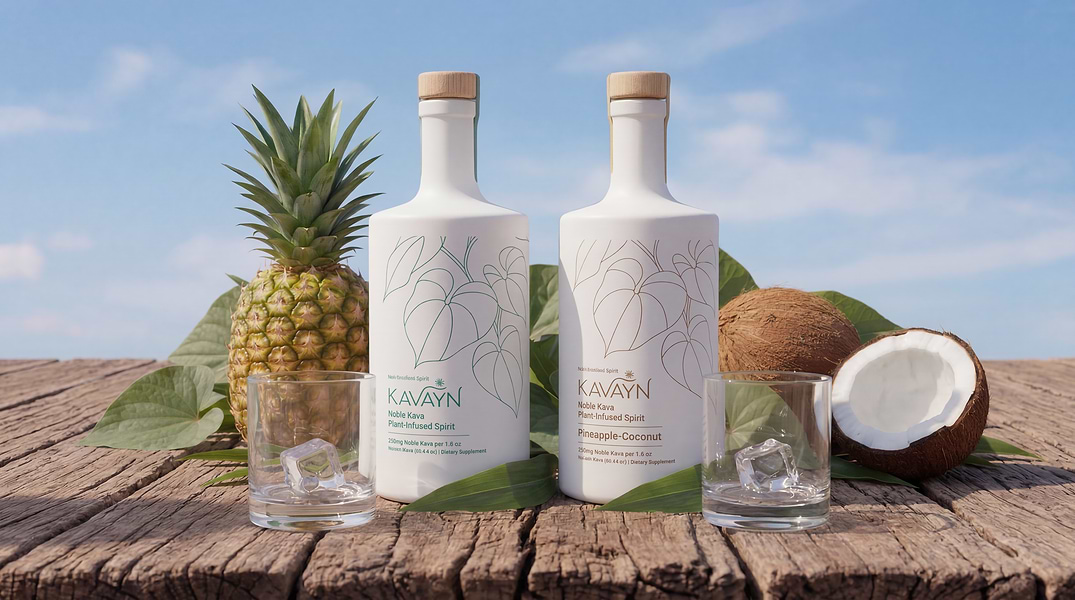
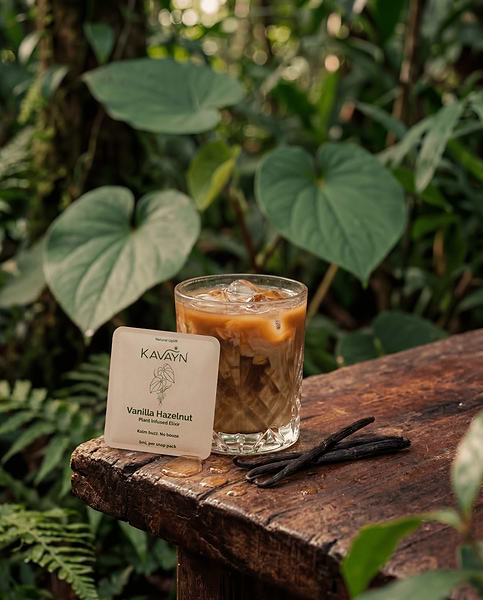
If you want the same drink without the time at the sink and the uncertainty about strength, that's what standardised products are for. Kavayn's Noble Kava Spirits carry 350 mg of kavalactones per 1.5 fl oz pour and Snap Packs 250 mg each — Vanuatu noble kava, a measured dose in every serving, tested every batch.
And if the part you would rather skip is the preparation itself, kava gummies remove it entirely — no kneading, no straining, no measuring, with the amount stated per gummy.
What changes isn't the ritual. Kava has been the drink people gather around for centuries and it slots into an evening the same way it always has. What changes is the variability: the decision moves from the sink to the label.
The buying comparison is set out properly in kava powder vs ready-to-drink, and all six formats in the forms of kava.
Try it for yourself
Vanuatu noble kava. A measured dose in every serving. Tested every batch.