

How to Store Kava Extract After Opening: A Complete Guide
Nov 02, 2026
Last Updated: November 2, 2026
Quick Summary
To store kava extract after opening, keep the bottle tightly capped, upright, and away from light, heat, and moisture. Refrigerate liquid extracts if the label says so, wipe the dropper after each dose, and record the open date. Always follow the label's storage line, since it overrides general habits.
- Read the storage line and after-opening guidance on the label first.
- Wipe the dropper after every dose and keep it off your mouth and hands.
- Refrigerate liquid extracts if the label directs, using a middle or door shelf.
- Write the open date on the bottle and use it within the label's window.
- Discard the extract if it smells sour, shows mold, or changes texture or taste.
Table of Contents
- Why Storage Matters Once a Kava Extract Bottle Is Opened
- Does Kava Extract Need to Be Refrigerated?
- How to Store Liquid Kava Extract Step by Step
- How Long Kava Extract Lasts After Opening
- Storing Kava Snap Packs and Single-Serve Doses
- How to Tell If Kava Extract Has Gone Bad
- Keep Your Kavayn Extract Fresh and Pick Your Next Bottle
- Frequently Asked Questions
Why Storage Matters Once a Kava Extract Bottle Is Opened
Kava extract is best kept fresh after you break the seal, and how you store it makes a real difference. Once a bottle is opened, air, light, and heat start to change the product.
Kava is marketed as a dietary supplement, so the label is your first guide. The National Center for Complementary and Integrative Health's kava fact sheet explains that users should follow the specific storage instructions on the product label.
Different forms need different care. Liquid extracts, powders, and capsules do not behave the same way after opening. Start with the label, then apply the general habits below.
- Read the storage line on the label first
- Keep the bottle sealed when you are not using it
- Store it away from heat, light, and moisture
Does Kava Extract Need to Be Refrigerated?
Many liquid kava products are best kept in the refrigerator after opening, but the label is the authority on this. For more detail, see refrigeration guidance for opened kava.
Refrigeration slows down the changes that happen once air gets into the bottle. Cold storage is the safer habit for liquid extracts, but it does not replace the label instructions.
Powders are handled differently. Keep any powder in an airtight container, away from heat and moisture, and follow the label for the right spot.
Refrigeration works best when you keep the bottle closed between uses. Opening and closing the cold bottle many times lets in warm, moist air.
How to Store Liquid Kava Extract Step by Step
Opened liquid kava extract is a form that is sensitive to air, light, and heat. To learn how Kavayn's extract is produced, see where it is sourced and how the kavalactones are extracted. The steps below are written for a bottle you have already opened. Adapt them to your label, because the manufacturer's directions always come first.
- Identify the extract type before you store it. Check the label for the solvent or base. Water-based extracts, alcohol-based tinctures, and glycerin-based products can carry different storage directions. Storage directions can differ by base, so check the label for yours. If the label does not state the base, look for the ingredient list or contact the brand.
- Read the storage line and the open-date guidance. Look for phrases such as "refrigerate after opening," "use within X days of opening," or "store below 77 degrees Fahrenheit." Note the lot code and expiration date so you can compare them with your open date later.
- Wipe the dropper and neck after every dose. Residual liquid on the dropper or threads can dry, gum up the cap, and give microbes a place to grow. Use a clean tissue, not a wet cloth that can introduce water into the bottle.
- Keep the dropper off your mouth, hands, and countertops. Do not touch the dropper tip to your tongue, a spoon, or a surface. That is the most common way an opened bottle becomes contaminated. Dispense into a clean glass or measuring spoon, then close the bottle.
- Close the cap tightly and store the bottle upright. Keeping the cap snug and the bottle upright helps the seal stay clean.
- Refrigerate if the label says so, and choose the right spot. Use a middle shelf or door shelf, not the freezer vent or the back wall where condensation and temperature swings are worse. Let the bottle come to room temperature only if the label allows it; repeated warming and cooling cycles are hard on liquid extracts.
- Write the open date on the bottle. A piece of tape or a marker on the label makes it easy to compare against the label's after-opening window.
- Use it within the label's window. If the label gives no window, a common pattern is to treat opened liquid extract as a short-life product and discard it if it has been open for more than a few weeks, but confirm with the brand before relying on that.
Watch out: a dropper that touches your mouth or a wet spoon can transfer saliva and moisture into the bottle, which shortens the usable life of the whole bottle even if you refrigerate it.
Choosing the Right Container
Keep the extract in its original bottle whenever possible. If you must transfer the extract, use a clean, dry, airtight glass container with a tight-fitting cap. Avoid plastic containers that may absorb odors or let oxygen through, and never reuse a container that held strong-smelling food.
Avoid storing extract in a clear container on a windowsill or under a cabinet light, since light exposure is best avoided.
Keeping Light, Heat and Air Away From the Bottle
Light, heat, and air are common concerns for opened liquid extracts. Protect against all three with a few habits.
- Keep it dark. Store the bottle in a closed cupboard or inside an opaque box, not on an open shelf.
- Keep it cool. Avoid the top of the refrigerator, the stovetop area, and cars in hot weather. A car interior can reach well above 100 degrees Fahrenheit on a warm day.
- Keep it sealed. Close the cap immediately after every use, even if you plan to use it again in a few minutes.
- Keep moisture out. Do not store the bottle in a humid bathroom or next to a dishwasher, and never add water to the bottle to stretch the last dose.
Heat exposure during travel is a common problem. If you carry an opened bottle in a bag, use a small insulated pouch and keep it out of direct sun. If the bottle gets warm, return it to its normal storage spot and check the smell and appearance before the next dose.
The article's storage steps and their timing or frequency can be scanned at a glance:
| Step | What to do | Time or frequency |
|---|---|---|
| Read the label | Check the storage line and open-date guidance | Before first storage |
| Wipe the dropper | Clean dropper and neck with a clean tissue | After every dose |
| Keep dropper clean | Dispense into a clean glass or spoon, not your mouth | Every use |
| Close cap tightly | Store the bottle upright with a snug cap | Every use |
| Refrigerate if labelled | Use a middle or door shelf, not the freezer vent | As the label directs |
| Write the open date | Mark the bottle so you can track the window | On opening |
| Use within the window | Follow the label's after-opening window | Per label; discard if unsure |
How Long Kava Extract Lasts After Opening
After-opening shelf life depends on the product form, the base, and the storage conditions, so treat any single number as a starting point rather than a rule. The role of kavalactones in kava explains why these compounds shape how long an opened extract stays potent.
Vanilla-Hazelnut Kava Extract Snap Packs →
For liquid extracts, the label may give a short after-opening window. Some liquid tonics are labeled for use within a few days of opening, while alcohol-based tinctures often carry longer windows.
For powders, an airtight container stored in a cool, dark, dry place is the standard approach. A common range cited for kava powder is six to 12 months when it stays sealed and away from heat and moisture.
How to Read the Dates and Codes on the Bottle
- Expiration or best-by date. This applies to an unopened bottle stored as directed. Once you open it, the after-opening window, if the label gives one, takes over.
- Lot code. Record it if you contact the brand about a quality issue. It identifies the batch and helps the manufacturer trace the product.
- Storage symbols. A snowflake or refrigerator icon means refrigerate; a sun-with-a-slash icon means keep out of light; a jar icon often means keep tightly closed. When a symbol and the text disagree, follow the more conservative instruction.
- "Refrigerate after opening" language. This is a product-specific direction, not a suggestion. If it appears, refrigerate from the moment you break the seal.
When to Discard an Opened Bottle
Discard the extract if you see mold, cloudiness that was not there before, particles that do not mix back in, or separation that persists after gentle shaking.
Also discard an opened bottle that has been left uncapped for an extended period, stored in a hot car, or contaminated by a dropper that touched your mouth or a dirty surface.
Watch out: an expiration date on an unopened bottle does not tell you how long the product lasts after opening, so relying on it alone can lead you to keep a bottle past its safe usable life.
Storing Kava Snap Packs and Single-Serve Doses
Keep unopened snap packs in a cool, dry place, away from direct light, and follow the label for any specific instructions. You can compare this format with Vanilla-Hazelnut Kava Extract Snap Packs to match the advice to your product.

If you carry packs for several days, check the label for any specific instructions.
How to Tell If Kava Extract Has Gone Bad
Trust your senses. Stop using the extract if you notice any of these signs:
- A sour, sharp, or unusual smell
- Visible mold, cloudiness, or particles that were not there before
- Separation or a texture change that does not mix back in
- A taste that is clearly off compared with earlier doses
Do not taste a questionable extract to test it. If something looks or smells wrong, discard it. Contact the brand if you are unsure about a bottle.
Bottles can become contaminated if the dropper touches the mouth, a dirty surface, or a wet spoon. Wipe the dropper after each use and keep the cap closed tightly.
Keep Your Kavayn Extract Fresh and Pick Your Next Bottle
Storing your kava extract well comes down to a few habits: refrigerate liquids as the label directs, keep the bottle sealed, and protect it from light and heat. Writing the open date on each bottle keeps you on track.
Kavayn's Unflavored Kava Extract Snap Packs are a good next pick if you want an easy, neutral option that blends into any drink. You can browse the unflavored snap packs as your next purchase. Each pack holds 250mg of noble kava extract in a 5mL snap pack, and each box contains 10 packs for $49.99.
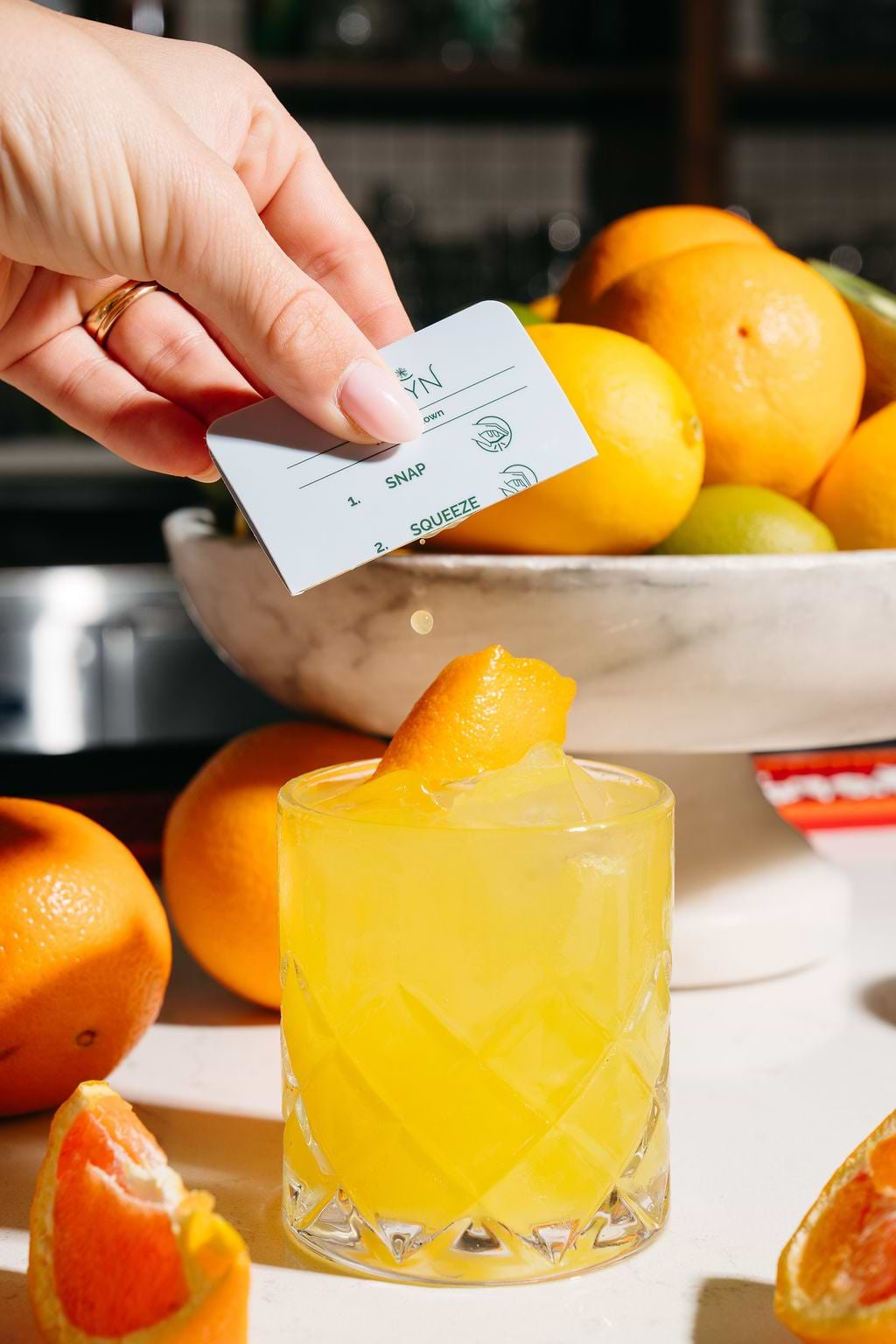
Discover your favorite and find the storage routine that suits your lifestyle.
Frequently Asked Questions
Does kava extract need to be refrigerated after opening?
Refrigeration is the safest choice for most liquid kava extracts once opened, especially those that are water-based or contain added juice or flavorings. Check the label first, since storage instructions vary by product. Keep the bottle tightly capped, return it to the refrigerator after each use, and avoid leaving it at room temperature for long periods. Shelf-stable alcohol-based extracts may tolerate a cool, dark cabinet, but follow the manufacturer's directions for your specific product.
How long does kava extract last after opening?
Opened kava extract lasts only as long as the manufacturer's after-opening guidance allows, and that guidance varies by product. Some liquid kava tonics carry short after-opening windows, while powders should be stored in an airtight container away from heat and moisture. Always write the opening date on the bottle and follow the earliest date that applies.
How can you tell if opened kava extract has gone bad?
Discard the extract if you notice a sour or off smell, a change in color, cloudiness or sediment that was not there before, or a flavor that tastes unusually sharp or fermented. Mold, bubbling or a swollen cap are clear signs of spoilage. Do not taste questionable extract to test it. When in doubt, throw it out, because contamination is not always visible.
Can you freeze kava extract?
Freezing is not a standard recommendation for most kava extracts, and freezing can change texture and separate ingredients in some liquids. Kava powder kept in an airtight container in a cool, dry place is usually the better long-term option. If you are unsure whether your product tolerates freezing, check the label or contact the manufacturer before freezing any opened bottle.


