Practical & product
Should kava be served cold?
Yes — kava is served cold, and the difference is mostly about taste rather than potency. Cold kava is markedly easier to drink; warm kava brings the earthy bitterness forward and the texture becomes more noticeable.
Why cold works better:
- Bitterness reads as less intense at low temperature — the same reason tonic water and beer are served cold
- The earthy aroma is less pronounced, and aroma drives a lot of how bitterness is perceived
- A cold drink is taken more quickly, which shortens contact time with the taste
Does heat damage kava? Not in a glass. Kavalactones tolerate brief warming, so a warm drink is not a wasted one. Temperature is a taste question at the point of serving, not a potency one.
Prolonged heat is a different matter, and it's a storage question. Weeks or months somewhere warm and bright will gradually reduce kavalactone content — which is why the bottle lives in a cupboard before opening and the fridge after. Minutes in a glass and months on a sunny windowsill are not the same exposure.
Traditional preparation has always used cold water — partly for taste, partly because cold water extraction gives a cleaner result from the root.
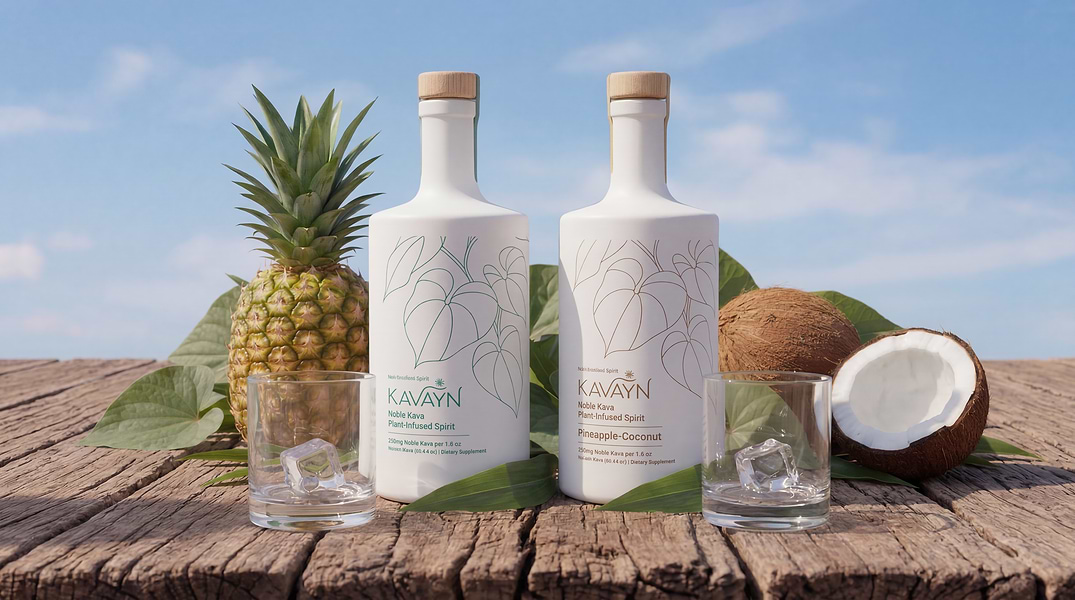
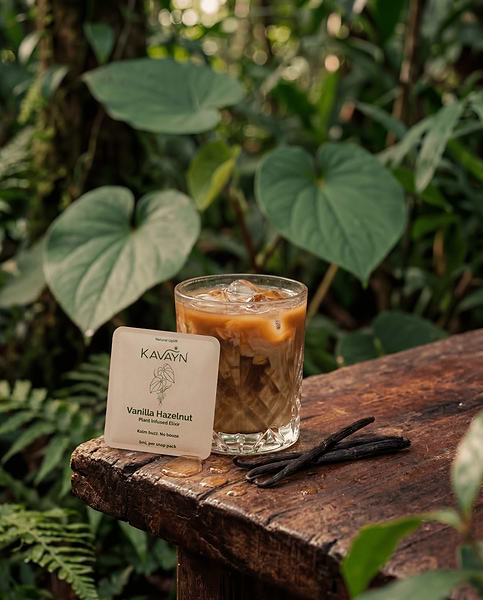
Ice is fine. Diluting with ice does not reduce the kavalactone content of the serving, it just spreads it over more liquid. If anything, ice makes a full-strength pour easier to get through.
What about hot drinks? Kava doesn't suit the tea format people expect. Products sold as kava tea are usually low in kavalactones to begin with, and the hot preparation brings the taste forward rather than softening it.
Storage temperature is a separate question. Serving cold is about the drinking experience; whether a product needs refrigerating depends on the product — see the storage FAQ entries.
Related questions
Try it for yourself
Vanuatu noble kava. A measured dose in every serving. Tested every batch.