

Noble Kava Non-Alcoholic Spirit Flavors: What Tastes Best
Nov 10, 2026
Quick Summary
The best noble kava spirit flavors depend on how you plan to drink them. Pineapple-Coconut suits sipping on its own, while the Unflavored spirit gives you the most range for mixing. Judge each flavor on aroma, sweetness, bitterness, spice and finish, tasting neat before mixing.
- Noble kava root sets the base flavor, with an earthy, peppery character and a lingering bite.
- Score every kava spirit flavor on aroma, sweetness, bitterness, spice and finish for a fair comparison.
- The Pineapple-Coconut flavor is fruity without tasting sugary, suiting sipping on its own.
- The Unflavored spirit is built as a neutral profile that disappears into other drinks.
- Start mixing at one part spirit to two parts sparkling water, adjusting from there by flavor.
Table of Contents
- What Makes a Noble Kava Spirit Taste the Way It Does
- How to Judge Kava Drink Ingredients and Quality Testing
- Comparing Noble Kava Flavors Side by Side
- Best-Tasting Kava Drinks for Different Occasions
- Kava Spirit Cocktail Recipes and Mixing Ratios
- What to Expect From Kava Drink Effects
- Choosing Your First Noble Kava Spirit Flavor
- Frequently Asked Questions
What Makes a Noble Kava Spirit Taste the Way It Does
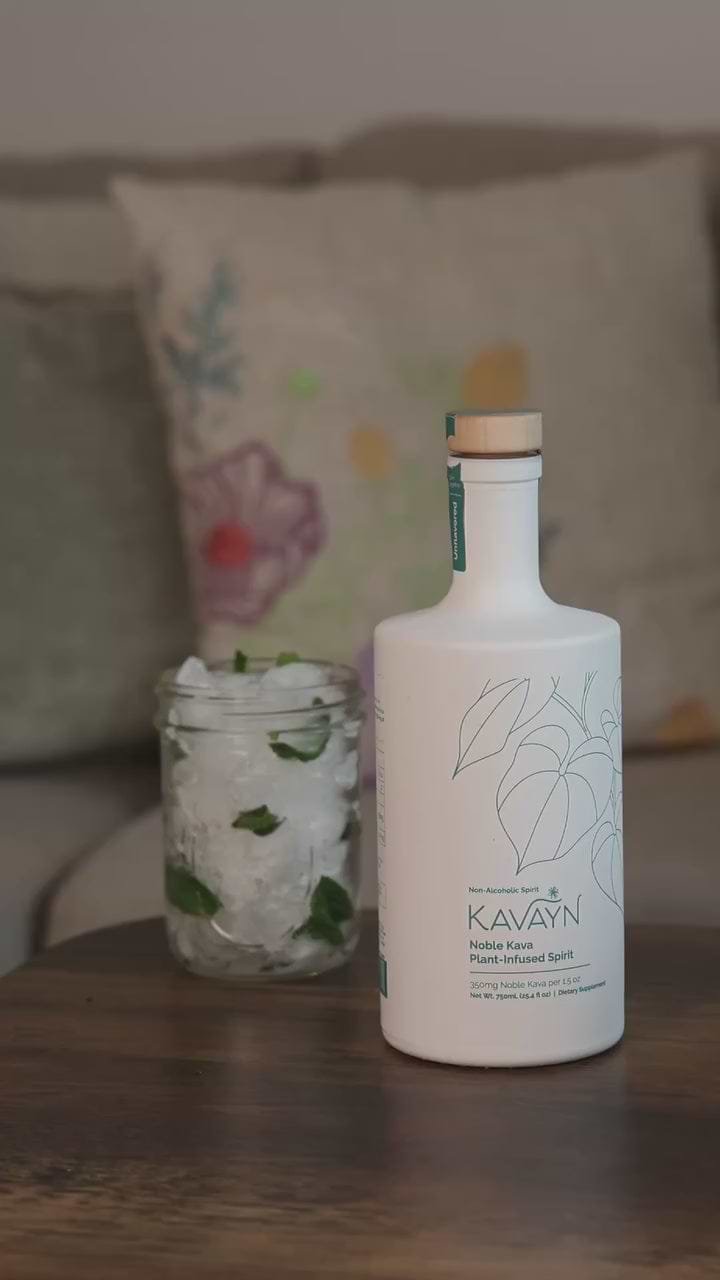
Kavayn's noble kava non-alcoholic spirits are built around a noble kava root extract, which sets the base flavor before any fruit or botanicals are added. Noble kava root has an earthy, peppery character with a lingering bite on the finish. Many spirits in this category then shape that base with citrus, tropical fruit, or ginger to make it approachable. Understanding this starting point helps you judge any flavor more fairly.
Last Updated: November 10, 2026
How to Judge Kava Drink Ingredients and Quality Testing
When you compare kava drinks, start with the label. Look for the plant source, the form of the extract, and whether the product lists its kavalactone content. Kavayn states that each serving contains a measured dose of kavalactones and that every batch is tested, which gives you a concrete basis for comparison.
Check the ingredient list for added sugar and flavorings. A short list usually means the flavor comes mostly from the plant itself, which tends to taste more like a spirit and less like a soft drink.
Comparing Noble Kava Flavors Side by Side
Flavor is subjective, so the only fair way to compare noble kava non-alcoholic spirits is to score every bottle on the same criteria. Use this five-point framework for each flavor you try: aroma, sweetness, bitterness, spice, and finish. Taste each one neat first, then over ice, then in a simple mixer, and note how the scores shift at each step. This standardized approach is what separates a useful comparison from a list of impressions.
Aroma
Swirl a small pour and smell before you sip. Noble kava root brings an earthy, peppery base note. Fruit-forward flavors may add a tropical top note, while unflavored versions should smell mostly of the root. A strong artificial aroma usually signals added flavorings rather than extract-led character.
Sweetness
Judge the first sip, not the aftertaste. Tropical flavors tend to lead with sweetness, while unflavored spirits show almost none. If a flavored spirit tastes sugary rather than fruity, it will likely flatten in a cocktail and mask the kava base.
Bitterness
Some bitterness is expected from noble kava and is part of what makes it feel like a spirit rather than a soft drink. Score it on a simple low-to-high scale. A moderate bitterness balances sweetness; an overwhelming bitterness suggests a harsh extract or an unbalanced recipe.
Spice
Peppery warmth from the root is a signature of noble kava. Note whether the spice arrives on the mid-palate or the finish, and whether it lingers. Ginger-forward flavors will add their own heat, so distinguish root spice from added botanical spice.
Finish
Time the finish. A clean, short finish suggests a spirit that suits mixing, while a longer, earthy finish suggests one you will sip slowly. A lingering bitterness that turns metallic is a warning sign.
Pineapple-Coconut Versus Unflavored
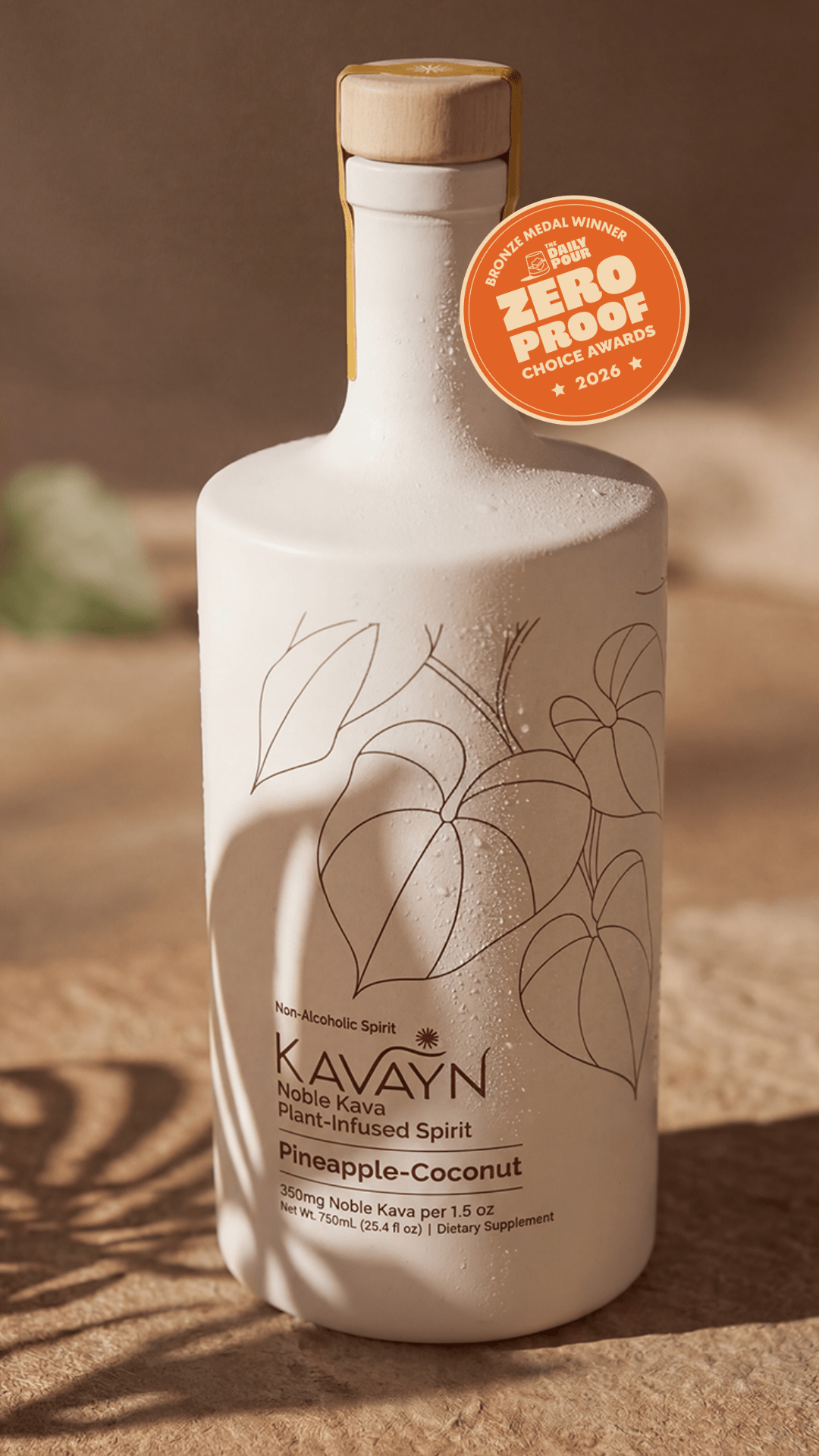
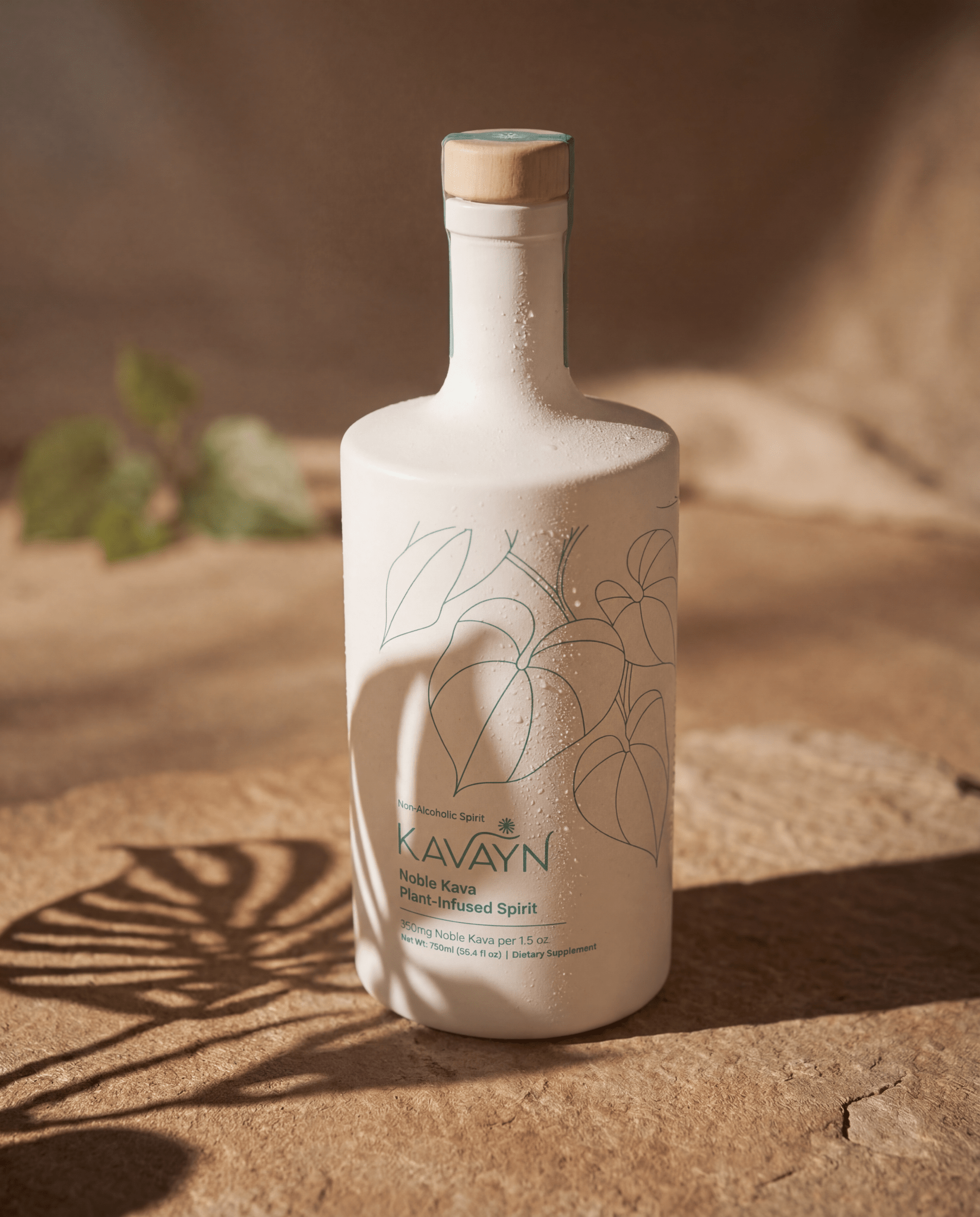
The Pineapple-Coconut Noble Kava Non-Alcoholic Spirit, 750 ml is fruity without tasting sugary, and its herbal bitterness keeps it from reading as a soft drink. The Unflavored Noble Kava Non-Alcoholic Spirit, 750 ml is designed as a clean, neutral profile that is built to disappear into other drinks. If you plan to mix, the unflavored version is the more flexible choice; if you want a sipping pour, the flavored version gives you more to notice.
Best-Tasting Kava Drinks for Different Occasions
Match the flavor to the setting. A bright, fruity spirit fits a relaxed afternoon or a summer gathering. A more herbal, bitter profile suits an evening when you want something to sip slowly. For a dinner party, a neutral base lets guests add their own mixers.
The best choice depends on the occasion, not on one universal winner. Think about who is drinking and what they expect from the glass.
Kava Spirit Cocktail Recipes and Mixing Ratios
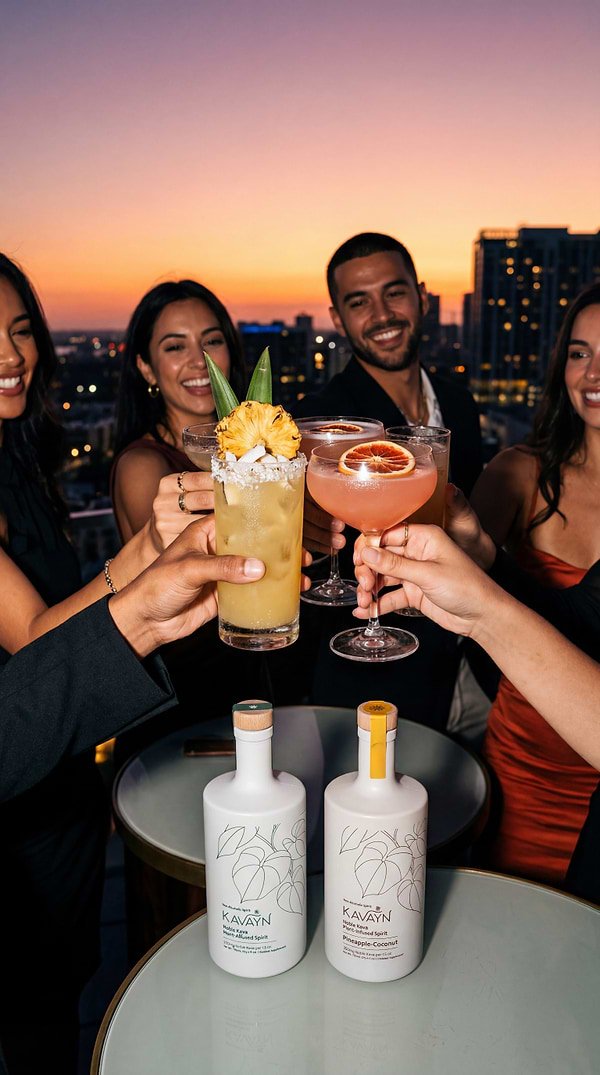
Start with one part spirit to two parts mixer for a spirit-forward drink, or one part to three parts for a lighter, longer drink. Adjust from there based on the flavor you are using. A standard serving is 1.5 fluid ounces, and the 750 ml bottle holds 17 servings, so a single cocktail using one serving keeps your pour predictable.
Ratios by Mixer
Citrus and sparkling water are reliable pairings because they lift the herbal notes without masking them. Use one part spirit to two parts sparkling water and a squeeze of lime for a tall, refreshing drink. Ginger ale adds warmth and suits the bolder flavors; use one part spirit to two and a half parts ginger ale so the ginger does not overpower the root. Tonic water brings a bitter edge that can either complement or clash with kava's natural bitterness, so taste before you commit to a full glass.
How Mixers Change Each Flavor
The Pineapple-Coconut flavor already carries sweetness, so pair it with sparkling water or a dry mixer to keep it from becoming syrupy. The Unflavored spirit is neutral and takes on whatever you add, which makes it the better base for citrus-forward or herbal cocktails. In both cases, add mixers gradually and taste as you go; the flavor shifts noticeably between one-to-two and one-to-three.
Batch Mixing
For a gathering, multiply the ratio rather than guessing. A batch of six drinks at one part spirit to two parts mixer uses 9 fluid ounces of spirit and 18 fluid ounces of mixer. Keep the spirit measured so guests know how much they are drinking, and offer a non-alcoholic mixer on the side for anyone who wants a lighter pour.
What to Expect From Kava Drink Effects
Kava's effects vary from person to person, and nothing here is a promise. For background on what kava is and how it works, read the essential facts about kava. Effects vary from person to person and depend on factors such as dose and individual circumstances.
Start with a single serving to see how you respond, and avoid driving until you know how a drink affects you. To see when effects typically begin and how long they last, check the onset, peak, and duration timeline.
Choosing Your First Noble Kava Spirit Flavor
For a first bottle, choose the flavor that matches how you plan to drink it. If you want something to sip on its own, start with the Pineapple-Coconut Noble Kava Non-Alcoholic Spirit, 750 ml. If you already know you like to mix, the Unflavored Noble Kava Non-Alcoholic Spirit, 750 ml gives you the most range.
Try one bottle, note what you liked, and let that guide your next purchase. You can also compare the beginner-friendly ranking of noble kava drinks to narrow down which flavor to try first.
Choosing a noble kava spirit comes down to how you plan to drink it, and Kavayn makes that choice straightforward with a measured dose in every serving. Explore the range and find the flavor that fits your evening.
Frequently Asked Questions
Does noble kava give you a buzz?
Noble kava is not a stimulant and is not meant to produce the lift that alcohol does. Kavayn's Pineapple-Coconut spirit lists 350mg of kavalactones per 1.5 fl oz shot, and the product is 0% ABV. Effects vary by person, so start with one shot, wait before having more, and avoid driving if you feel drowsy or unsteady.
What are the best-tasting non-alcoholic spirits?
Taste is personal, so the best choice depends on whether you want a fruit-forward drink or a neutral base. Kavayn's Pineapple-Coconut flavor is fruity without being cloying, with enough herbal bitterness to read as a spirit. The Unflavored spirit has a clean, neutral profile that works in mocktails, juice and sparkling water. Try a small pour of each over ice before committing to a full bottle.
Can you mix noble kava spirit into cocktails?
Yes. Kavayn's Unflavored Noble Kava Non-Alcoholic Spirit is designed to disappear into mixers, so you can add a shot to juice, sparkling water or an NA beer without changing the flavor much. The Pineapple-Coconut spirit works well in tropical mocktails. Each 750 ml bottle contains 17 servings of 1.5 fl oz, so measure each shot to keep the kavalactone dose consistent.
How can you tell whether a kava product uses noble kava?
Check the label and product listing for the kava variety, the extract type and the kavalactone content per serving. Kavayn states that its spirits use 100% noble kava root extract sourced from Vanuatu and that every batch is tested. Look for a stated kavalactone amount per serving, an ingredient list with no hidden alcohol, and a batch testing statement you can ask the brand to confirm.


