

How to Choose Potent Kava Extract: A 2026 Guide
Oct 23, 2026
Last Updated: October 23, 2026
Quick Summary
Choose a potent kava extract by calculating total kavalactones per serving (kavalactone percentage multiplied by serving size in grams), verifying the product contains noble kava, and confirming third-party batch testing. A typical effective dose ranges from 60-250 mg of kavalactones daily, with 150-250 mg per serving producing noticeable effects for most adults.
- Kavalactone percentage alone doesn't indicate potency; multiply percentage by serving size in grams to find total milligrams per serving.
- Most kava extracts range from 15% to 50% kavalactones, and a typical adult dose is 60-250 mg of kavalactones taken as one to three capsules daily.
- Noble kava is the premium cultivar; verify sourcing and look for labels specifying cultivar names like Borogu, Isa, or Mahakea.
- Third-party certificates of analysis confirm kavalactone content, purity, and safety; products without testing make unverified potency claims.
- Snap packs and liquid extracts deliver 250-350 mg of kavalactones per serving with 15-20 minute onset, while capsules and powders require more volume or time.
Table of Contents
- Understanding Kava Extract Potency and What Makes It Strong
- Kavalactone Percentage: The Core Measure of Potency
- Kava Extract Dosage: Finding the Right Serving Size
- Kava Extract vs Traditional Kava: Which Is More Potent
- How to Read a Kava Supplement Label: A Practical Checklist
- Selecting the Right Potent Kava Extract for Your Needs
- Quality Verification: Testing, Purity, and Batch Safety
- Frequently Asked Questions
Understanding Kava Extract Potency and What Makes It Strong
Shopping for a potent kava extract can feel overwhelming: kavalactone percentage, milligrams per serving, extract ratios.
The core measure of potency is kavalactone content, the active compounds in kava root that produce its calming effects.
At Kavayn, we focus on delivering a measured dose of kavalactones in every serving so you know exactly what you're consuming.
Kavalactone Percentage and Milligrams Per Serving
Kavalactone percentage tells you the concentration of active compounds: a 30% kavalactone extract means 30% of the product's weight is kavalactones. But that's only half the equation.
The real question is how many milligrams of kavalactones are in each serving. A 30% extract in a small serving may deliver fewer total milligrams than a 20% extract in a larger one, which is why reading the label is critical.
According to research on kava dosing from PubMed Central, a typical adult daily dose is 60-250 mg of kavalactones, taken as one to three capsules daily for one or two months. This range gives you a baseline for evaluating whether a product's serving size aligns with clinically recognized doses.
Extract Ratio and Concentration Levels
Extract ratio describes how much raw kava root went into the final extract: a 10:1 extract means 10 pounds of raw root were concentrated into 1 pound of extract.
But ratio alone doesn't guarantee potency. A 10:1 extract from low-quality root won't match a 6:1 extract from premium noble kava, which is why sourcing and cultivar matter as much as the ratio.
Kavalactone Percentage: The Core Measure of Potency
Kavalactone percentage is the industry's standard potency measure, printed on nearly every kava product label. Knowing how to read and compare these percentages is essential for an informed choice.
Most kava extracts range from 15% to 50% kavalactones, though some premium extracts exceed 50%. The percentage reflects how much of the product's total weight consists of the active compounds you're seeking.
Why Percentage Alone Isn't Enough
A higher percentage doesn't automatically mean a better product. Consider a 40% extract in a 2-gram serving versus a 25% extract in a 5-gram serving: the first delivers 800 mg of kavalactones, the second 1,250 mg.
Many shoppers focus on the percentage and miss the serving size, ending up with a product that doesn't deliver the dose they need.
Comparing Actual Kavalactone Content Across Products
When comparing products, create a simple calculation: percentage × serving size in grams = milligrams of kavalactones per serving.
Example comparison:
- Product A: 35% kavalactones × 3 grams = 1,050 mg per serving
- Product B: 28% kavalactones × 4 grams = 1,120 mg per serving
Product B delivers slightly more total kavalactones despite its lower percentage. Without this math, you'd assume Product A was stronger.
The market forecasts indicate growing interest in potent extracts. Persistence Market Research projects the kava root extract market to grow significantly from US$1.6 billion in 2026 to US$3.0 billion by 2033, reflecting increased consumer demand for verified, high-quality products.
Kava Extract Dosage: Finding the Right Serving Size
Dosage is where potency meets practicality: a potent product that requires too much volume becomes inconvenient. The best potent kava extract balances strength with usability.
Standard Dosage Ranges for Adults
A typical adult dose ranges from 60-250 mg of kavalactones per serving, accommodating different body weights, sensitivities, and goals.
For most people seeking stress relief and relaxation, doses in the 150-250 mg range per serving produce noticeable effects. Beginners often start at the lower end of this range to assess tolerance.
Milligrams Per Serving and Onset of Effects
Higher doses don't necessarily produce proportionally stronger effects; the dose-response relationship is individual.
Onset of effects typically occurs within 15-30 minutes when taking an extract on an empty stomach. A measured dose delivered in a convenient format, like Kavayn's snap packs, which provide 250 mg of kavalactones per 5mL serving, allows you to experience effects without guessing whether you've consumed enough.

Kava Extract vs Traditional Kava: Which Is More Potent
Format affects both potency and how quickly you feel effects. Extracts, tinctures, capsules, and traditional root powder each differ in concentration, absorption rate, and convenience.
Absorption and Convenience Differences
Extracts are more concentrated than traditional root powder because the kavalactones have been isolated and concentrated, so you consume fewer grams for the same dose, making extracts faster-acting and more convenient for travel or social settings.
Traditional root powder requires larger volumes for the same kavalactone content: a typical serving is 3-6 grams versus 1-3 grams for an extract, and the smaller volume is absorbed more quickly.
Tinctures and liquid extracts offer a fast onset, while capsules must dissolve in your stomach first, adding a few minutes.
Product Format Comparison: Snap Packs, Capsules, and Powders
Each format serves different needs and preferences.
Snap packs (single-serve liquid extracts) deliver a measured dose in a convenient, portable format. No mixing, no measuring, no guessing.
Capsules offer convenience and consistent dosing but require swallowing multiple pills to reach effective doses, and they act slower than liquid extracts.
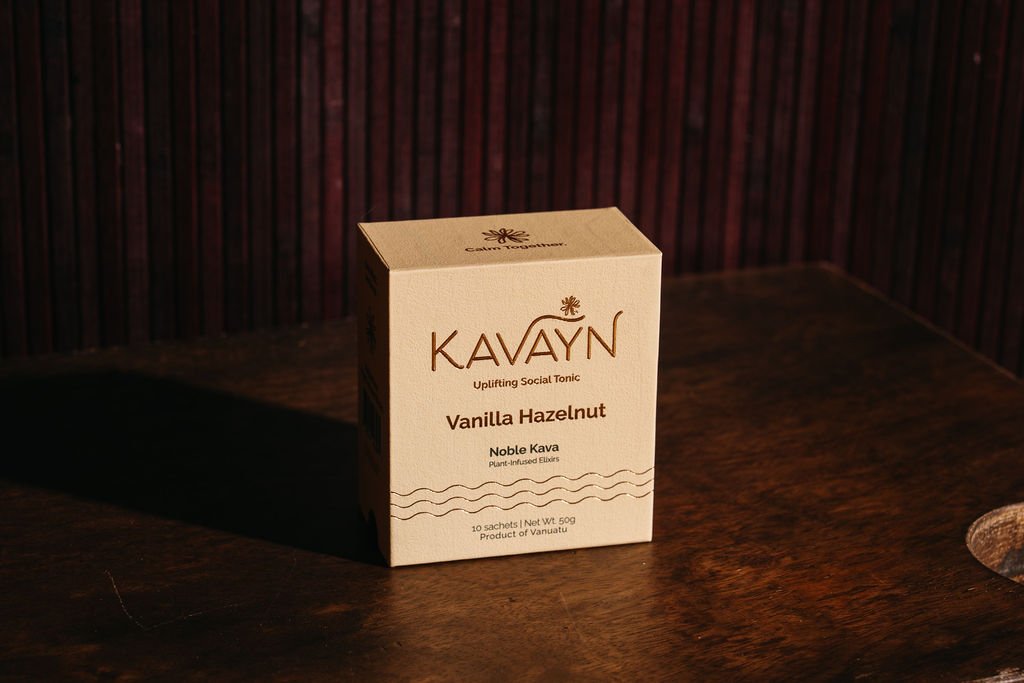
Vanilla-Hazelnut Kava Extract Snap Packs →
Powders (root and extract-based) require mixing and measuring. They're often the most affordable format but demand more prep time, and traditional root powder's lower concentration means you consume more volume.
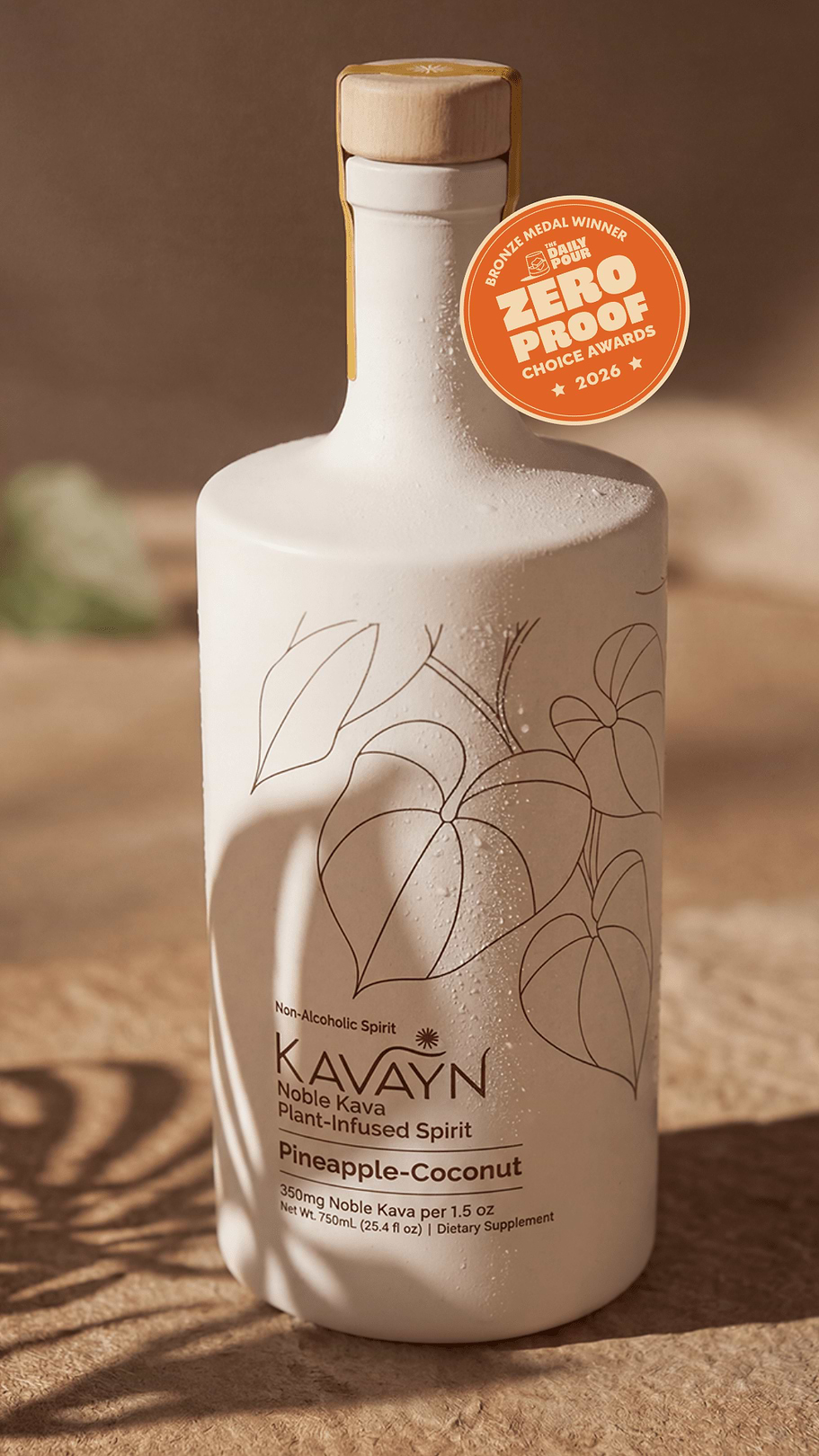
Spirits and flavored extracts blend kavalactones with complementary flavors, making the experience more enjoyable. Kavayn's Pineapple-Coconut and Unflavored spirits deliver 350 mg of kavalactones per 1.5 fl oz shot, designed for both potency and palatability.
| Format | Kavalactones Per Serving | Onset Time | Convenience | Best For |
|---|---|---|---|---|
| Snap pack | 250 mg | 15-20 min | Very high | Travel, social events, quick dosing |
| Capsules | 150-300 mg | 20-30 min | High | Consistent portioning, daily routine |
| Powder (extract) | 150-400 mg | 15-25 min | Medium | Cost-conscious, flexible dosing |
| Spirit/flavored extract | 300-350 mg | 15-20 min | Very high | Social consumption, taste preference |
How to Read a Kava Supplement Label: A Practical Checklist
The label is your roadmap to what you're buying: a transparent one tells you exactly what you're getting and confirms the product's potency.
What to Look For: Extract Weight vs Kavalactone Content
The label should clearly state both the extract weight per serving and the total kavalactone content in milligrams.
Look for this information:
- Extract weight: How many grams or milliliters per serving (e.g., 5mL, 3g)
- Kavalactone percentage: The concentration of active compounds (e.g., 50%)
- Total kavalactones in mg: The actual milligrams per serving (e.g., 250 mg)
Some brands list only extract weight and percentage, forcing you to do the math. Kavayn displays total milligrams per serving so you know your exact dose.
A label that omits total milligrams can make it harder to assess potency.
Verifying Noble Kava Sourcing and Cultivar Information
Noble kava is the premium cultivar, prized for potency and safety. Non-noble "tudei" varieties are generally considered lower quality.
The label should specify noble kava. If it doesn't mention cultivar or sourcing region, ask the brand directly. Reputable suppliers like Kavayn source from Vanuatu, known for premium noble kava.
Some labels include the specific cultivar name (e.g., "Borogu," "Isa," "Mahakea").
Certificate of Analysis and Third-Party Testing
A certificate of analysis (COA) is a document from an independent laboratory that confirms the product's potency, purity, and safety.
Look for labels that reference third-party testing or include a batch number you can use to request a COA. Kavayn tests every batch and provides access to testing results, ensuring you can verify potency claims independently.
Selecting the Right Potent Kava Extract for Your Needs
Your ideal potent kava extract depends on your lifestyle, goals, and preferences. A product that's perfect for one person might not suit another.
Beginner-Friendly Options and Measured Doses
If you're new to kava extracts, start with products that deliver a clinically recognized dose in a convenient format.
Snap packs are beginner-friendly because they eliminate guesswork. You open a pack, consume the contents, and know you've taken an appropriate dose. This removes the barrier that often stops new users from trying extracts.
Convenience and Portability: Snap Packs for Travel and Social Settings
If you travel frequently or attend social events where you want to feel calm and present, snap packs are unmatched for convenience. They're pocket-sized, require no preparation, and deliver a consistent dose.
Kavayn's snap packs fit easily into a work bag, backpack, or jacket pocket. At social gatherings or high-pressure work situations, you can discreetly consume a dose without drawing attention.
Cost Per Effective Serving: Value Beyond Price
The cheapest product isn't always the best value. Calculate the cost per effective serving by dividing the product price by the number of servings that deliver a clinically effective dose (150-250 mg of kavalactones).
Example:
- Product A: $50 for 10 servings of 250 mg = $5 per effective serving
- Product B: $30 for 20 servings of 75 mg = $1.50 per serving, but you need 3-4 servings to reach an effective dose, so $4.50-$6 per effective serving
Product A and Product B cost roughly the same per effective dose, but Product A delivers results in one serving while Product B requires multiple servings.
Quality Verification: Testing, Purity, and Batch Safety
Potency claims mean nothing without verification. Quality testing separates products you can trust from those making unsubstantiated promises.
Third-party testing is the gold standard.
Reputable brands provide batch-specific testing results.
Sigma-Aldrich describes using certified reference materials to verify kava extract composition as a way to assess potency and authenticity.
Choosing a potent kava extract comes down to understanding labels, verifying quality, and matching the product to your lifestyle.
Frequently Asked Questions
What kavalactone percentage should I look for in a potent kava extract?
Potency depends on both percentage and total milligrams per serving. Look for products delivering at least 200-350 mg per serving. High percentage alone (30%+) means nothing if the extract weight is tiny. Compare actual kavalactone milligrams on the label, not just the percentage. Products with 250mg kavalactones per snap pack or 350mg per spirit shot deliver a measured dose in a single serving.
How is kava extract dosage different from traditional kava powder?
Kava extract concentrates kavalactones into a smaller volume, so extracts are more potent per serving and absorb faster. Traditional root powder requires larger doses; extracts deliver the same effect. A 250-350 mg kavalactone serving from extract equals several grams of root powder. Snap packs and spirits offer measured doses that eliminate guesswork, while powders require you to calculate serving size yourself. Extracts offer convenience and consistency, especially for travel or social settings where you need rapid onset without preparation time.
What should I verify on a kava extract label before buying?
Check four things: (1) kavalactone milligrams per serving, not just percentage; (2) noble kava cultivar sourcing and origin; (3) third-party testing or certificate of analysis confirming potency and purity. Avoid products listing only extract weight without kavalactone content, you can't assess true potency. Verify batch testing statements; reputable brands test every batch for kavalactone content and contaminants. Read the serving size carefully, some products hide weak doses in tiny servings.
Is a higher kavalactone percentage always better?
No. A 40% extract in a tiny 1-gram serving delivers fewer kavalactones than a 20% extract in a 10-gram serving. Total milligrams per serving matter far more than percentage alone. Compare products by actual kavalactone content (in mg) per serving, not by percentage. This is why reading the full label, extract weight, percentage, and total kavalactone milligrams, is essential. Focus on products that clearly state milligrams per serving.


