

Natural Ways to Manage Daily Stress: 7 Calming Methods
Oct 21, 2026
Table of Contents
- Why Daily Stress Builds Up (And How to Spot It)
- Breathing Exercises for Stress: The Fastest Reset
- Mindfulness for Stress Relief Without the Hype
- Relaxation Exercises for Anxiety You Can Do Anywhere
- Movement, Food, and Sleep: The Physical Side of Calm
- Herbal Remedies and Plant-Based Options Worth Trying
- Build a Stress Relief Routine That Actually Sticks
- When to Seek Help and How to Track Progress
- Frequently Asked Questions
Last Updated: October 21, 2026
Why Daily Stress Builds Up (And How to Spot It)
Daily stress is the accumulation of small, repeated demands that never fully resolve, and it compounds quietly until your body starts sending signals you can no longer ignore.
The mechanism matters here. Your stress response was built for short bursts, not for a full inbox and a phone that buzzes at 10 p.m. When the response stays switched on, sleep suffers, digestion slows, and focus narrows.
Common Stress Symptoms to Watch For
- Clenched jaw or shoulders you notice only at night
- Waking at 3 a.m. with a racing mind
- Irritability over small things that normally wouldn't register
If three or more of those sound familiar, you're not broken. You're running a stress response that never got a proper off-ramp.
Breathing Exercises for Stress: The Fastest Reset
Breathing exercises for stress work because slow, extended exhales directly signal your nervous system to downshift. The National Center for Complementary and Integrative Health on relaxation techniques notes that controlled breathing is among the most accessible approaches for easing the body's stress response, and it costs nothing.
Box Breathing and 4-7-8 Breathing, Step by Step
Box breathing (use before a meeting or when your chest tightens):
- Inhale through your nose for a count of four
- Hold for four
- Exhale through your mouth for four
- Hold empty for four
- Repeat for four rounds
4-7-8 breathing (use at night or after a difficult conversation):
- Inhale through your nose for four
- Hold for seven
- Exhale slowly through pursed lips for eight
- Repeat four times
A common mistake is breathing too fast and calling it relaxation. Slow the exhale until it's longer than the inhale. That ratio is where the effect lives.
Mindfulness for Stress Relief Without the Hype
Mindfulness for stress relief is simply the practice of noticing what's happening right now without arguing with it, and it works best in short, unglamorous bursts.
Try this: pick one daily anchor, such as your first cup of coffee. For the first three sips, notice only temperature, smell, and taste.
What most guides miss is that mindfulness isn't a mood. It's a repetition.
Relaxation Exercises for Anxiety You Can Do Anywhere
Relaxation exercises for anxiety are short physical sequences that release tension your mind can't talk away. Our favorite is progressive muscle release, and it takes about ninety seconds.
Here's the sequence:
- Tense your shoulders toward your ears for five seconds, then drop them
- Squeeze your hands into fists, hold, release
- Press your feet into the floor, hold, release
You can run this at a desk, in a car, or in an airport gate area without anyone noticing. Pair it with a slow neck roll and an unclenched jaw, and you've covered the three places tension hides.
Movement, Food, and Sleep: The Physical Side of Calm
Physical activity, whole foods, and consistent sleep form the foundation that every other technique rests on. Skip these and breathing exercises become a bandage on a wound that keeps reopening. The CDC guidance on physical activity and mental health connects regular movement with improved mood and lower anxiety, and the effect shows up even at modest levels. What most lists leave out is how much, how often, and what to do when your body or schedule won't cooperate.
Movement: How Much Actually Helps
The general benchmark most public-health guidance uses is about 150 minutes of moderate activity per week, which breaks down to roughly 20-30 minutes on most days. You don't need a gym or a hard workout.
For people with limited mobility or low energy, the bar can be lower than you think. Chair-based options work: seated marching, gentle arm circles, and slow seated forward folds all count as movement.
Food: What to Eat and What to Ease Off
A balanced diet won't erase stress, but it changes how well you handle it. Foods worth keeping in rotation:
- Berries and citrus for vitamin C and antioxidants
- Almonds and other nuts for magnesium
- Avocados for healthy fats and B vitamins
Cut back on refined sugar and late caffeine where you can. Both spike and crash, and the crash reads to your body like anxiety. A practical rule many people find useful: stop caffeine by early afternoon so it isn't still active at bedtime, and pair any sweet snack with protein or fat to soften the crash. Hydration matters too, mild dehydration can mimic the edginess of stress, and a glass of water is a two-second intervention.
Sleep: The Multiplier
Sleep is where stress recovery actually happens, and it's the first thing to erode when stress climbs. The basics that matter most: a consistent wake time (even on weekends), a dark and cool room, and a wind-down buffer of 30-60 minutes without screens. If your mind races at night, the 4-7-8 breathing covered earlier is a low-cost way to slow it down.
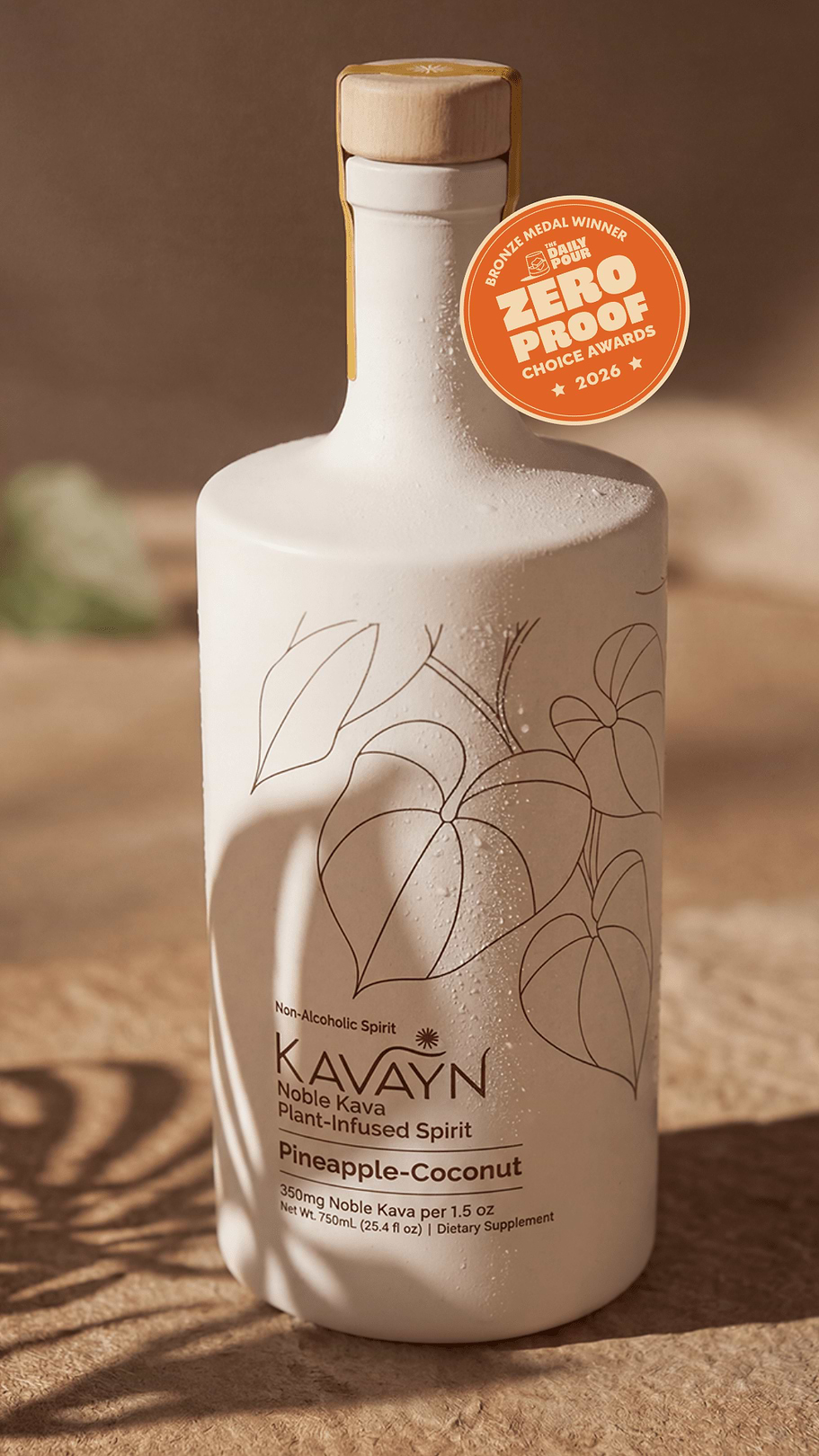
Pineapple-Coconut Noble Kava Non-Alcoholic Spirit — 750 ml →
Adapting When Life Gets in the Way
Not every day allows for a walk, a home-cooked meal, and eight hours of sleep. On those days, pick the smallest version of each: a five-minute stretch, a handful of nuts instead of a skipped meal, and a fixed wake time even after a short night. The goal is to keep the foundation from collapsing entirely, not to be perfect.
Herbal Remedies and Plant-Based Options Worth Trying
Herbal remedies and plant-based options give you a middle path between doing nothing and reaching for something stronger. Chamomile tea is the gentle entry point. Lavender, whether as a tea or a few drops of essential oil on a pillow, is another low-effort option. Aromatherapy won't fix a bad week, but it can shift the first five minutes of winding down.
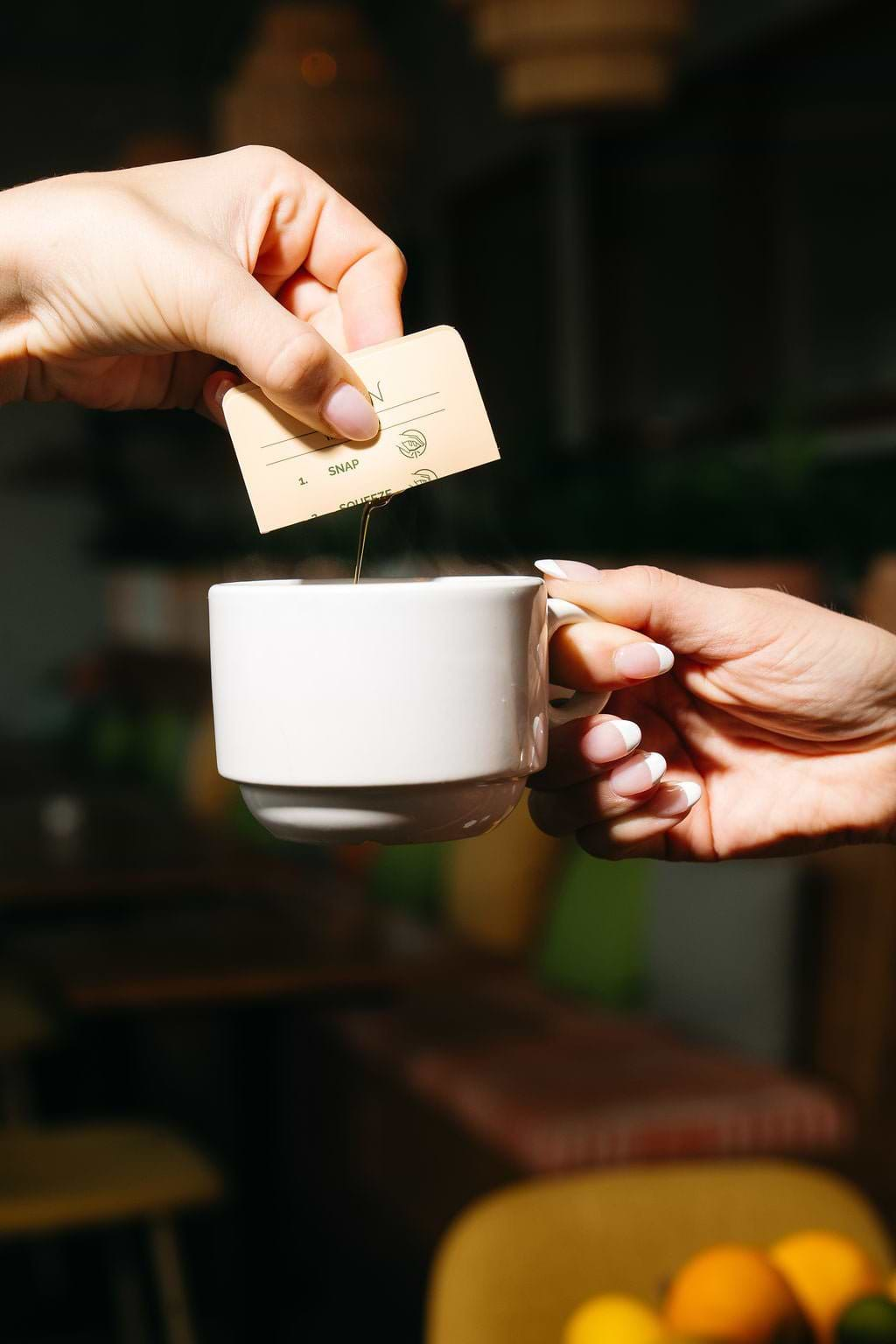
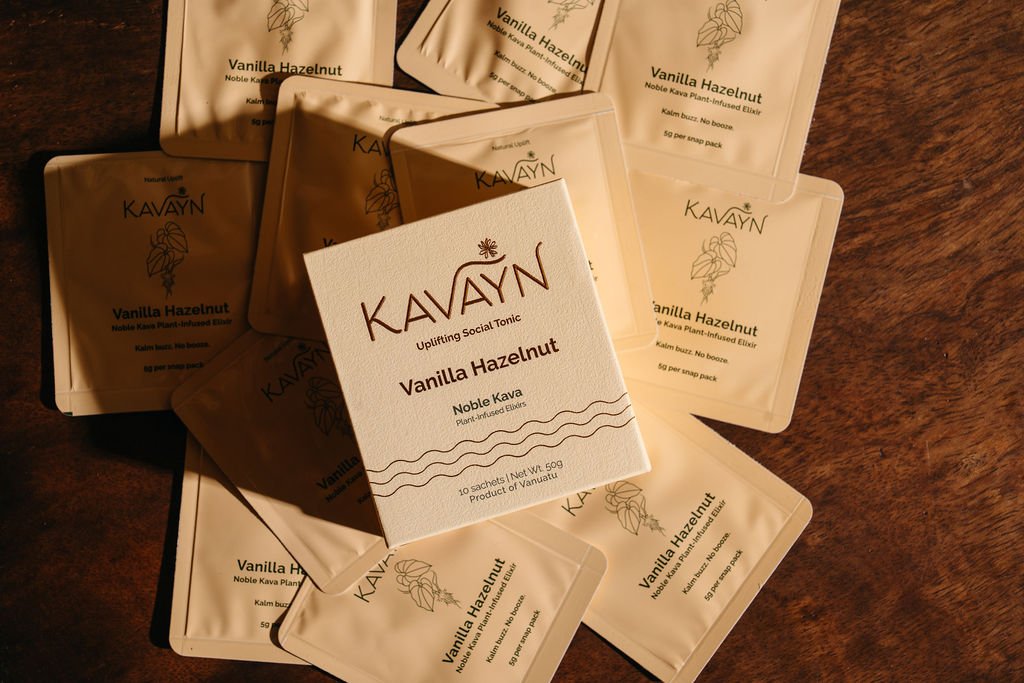
Kava is the more potent end of this category, and it's where we spend most of our time. Kavayn's non-alcoholic kava spirits are made from 100% noble kava root extract and deliver a measured dose of kavalactones in every serving, with 0% ABV and batch testing on every run. If you want the ritual of a drink without the next-day fog, our Pineapple-Coconut Noble Kava Non-Alcoholic Spirit delivers 350mg of kavalactones per 1.5 fl oz shot, and the Vanilla-Hazelnut Kava Extract Snap Packs carry 250mg per pack for when you're traveling.
Build a Stress Relief Routine That Actually Sticks
A stress relief routine works when it's small enough to survive a bad day. Most people quit because they design a ninety-minute protocol they can only sustain on weekends. Build for your worst Tuesday instead.
D S C00001
Here's a structure that holds up:
Time of Day |
Practice |
Duration |
Why It Works |
|---|---|---|---|
Morning |
Box breathing before email |
2 min |
Sets your baseline before demands hit |
Midday |
Ten-minute walk outside |
10 min |
Breaks the stress cycle physically |
Afternoon |
Progressive muscle release |
2 min |
Resets tension built up at the desk |
Evening |
Chamomile tea or a kava serving |
15 min |
Marks a clear end to the workday |
Night |
4-7-8 breathing in bed |
3 min |
Slows the mind before sleep |
Pick two of those to start. Add a third once the first two feel automatic. Consistency beats intensity every time.
Match the Technique to Your Stress Trigger
Generic advice fails because different stressors need different responses. Use this quick decision guide to choose what to reach for:
- Acute spike (a tense meeting, a difficult conversation): Use box breathing or a 90-second progressive muscle release. These work in the moment and don't require privacy.
- Ongoing workload pressure: Protect a midday walk and set one hard stop time for work. The physical break plus a boundary addresses both the body and the source.
- Sleep-related stress (racing mind at night): Use 4-7-8 breathing in bed and a screen cutoff 30-60 minutes before lights out. Keep the wake time fixed.
Make It Fit a Real Schedule
If you have five minutes, do one round of box breathing. If you have ten, add a short walk. If you have a full evening, use the table above. The routine should scale down, not disappear. A useful rule: never let a missed day become two. One skipped practice is noise; two in a row starts a new habit in the wrong direction.
Track It Without Turning It Into a Chore
Keep a simple log: rate your stress from one to ten each evening, note which technique you used, and review the week on Sunday. Two weeks of flat numbers is useful information, not failure, it tells you to change the approach rather than repeat it. If the numbers are trending down, keep the two practices that seem to be doing the most work and drop the rest.
When to Seek Help and How to Track Progress
Tracking progress is how you know whether your routine is working or whether you're just staying busy.
Watch for signs that self-management isn't enough.
Digital life deserves a mention here too. If your phone is the last thing you look at and the first thing you reach for, you've built a stress loop into your day. Set a cutoff time and protect it.
Frequently Asked Questions
How can you relieve stress quickly in the moment?
The fastest option is a breathing exercise. Try box breathing: inhale for four counts, hold for four, exhale for four, hold for four, and repeat for two to three minutes. Slow exhales trigger the parasympathetic nervous system, which lowers heart rate. Splashing cold water on your face or stepping outside for 60 seconds of fresh air also helps. If you need something portable, a measured plant-based option like kava extract can support calm in social or high-pressure moments without alcohol.
Which daily habits help reduce stress naturally?
Four habits do most of the work: consistent sleep and wake times, 20 to 30 minutes of movement most days, regular meals built around whole foods, and a short daily mindfulness or breathing practice. Add a wind-down ritual before bed and limit late-night screen time. The key is consistency rather than intensity. Practicing a stress relief routine at the same time each day trains your body to expect calm, which makes it easier to access under pressure.
How long should you practice breathing exercises for stress relief?
Two to five minutes is enough to feel a shift. Beginners often notice a calmer heart rate after 90 seconds of slow breathing with exhales longer than inhales. For lasting effects on baseline anxiety, aim for 10 minutes daily. Research on slow breathing generally supports sessions of 5 to 15 minutes. Start with two minutes twice a day, then extend as it becomes comfortable. Consistency matters more than length.
What are some relaxation exercises for anxiety that work in public?
Progressive muscle relaxation, where you tense and release muscle groups, can be done subtly by squeezing your hands under a table. Grounding exercises like naming five things you can see and four you can hear work anywhere. Slow breathing with a longer exhale is invisible to others. For social situations, a small measured dose of noble kava extract offers a plant-based way to feel present without impairment.
When should you seek professional help for ongoing stress or anxiety?
Seek help if stress interferes with sleep, work, or relationships for more than two to four weeks, or if you notice persistent low mood, panic attacks, or physical symptoms like chest tightness. A primary care provider can screen for anxiety and rule out medical causes. Therapy and, in some cases, medication are effective. Natural methods work well alongside professional care, but they are not a substitute when symptoms are severe or worsening.
Does kava actually help with daily stress, and how much is a serving?
Noble kava root contains kavalactones, compounds studied for their calming effect. A typical effective serving is around 250 to 350 mg of kavalactones. Kavayn's Pineapple-Coconut and Unflavored spirits deliver 350 mg per 1.5 fl oz shot, with 17 servings per 750 ml bottle at $74.99. The Vanilla-Hazelnut and Unflavored Snap Packs deliver 250 mg per 5 ml pack, 10 per box at $49.99. Kava is not for everyone; check with a doctor if you have liver concerns or take medication.
Daily stress rarely resolves on its own, and the techniques that help most are the ones you can actually repeat. Kavayn exists for the evening end of that routine: our non-alcoholic kava spirits and snap packs give you a measured, plant-based way to feel peaceful and present without impairment, backed by 100% noble kava root extract, 0% ABV, and batch testing on every run. Discover your favorite and give your wind-down ritual something worth looking forward to.


