How to Read a Kava Ingredients Label
Jan 06, 2026
Kava is considered a safe supplement for consumption
Not all kava is created equally. Reading labels is importnat to understand the quality of what you are ingesting.
The effective amount of kavalactones per serving is 250mg and should come from Noble Kava.
With the recent push for individuals moving away from consuming alcohol and looking for other non-alcoholic options to choose from, kava is quickly becoming one of those options of choice. Kava has been shown to assist in decreasing anxiety while offering a calm, “heady” feeling that helps to provide a relaxing sensation. It is these benefits that has recently intrigued individuals to look towards kava that non-alcoholic option. However, with kava’s rise in popularity comes risk for the production of kava products to miss the mark, leaving consumers thinking they are getting something they really are not, wasting money and potentially increasing health risks.
Let's review some key elements to look for when reading kava labels to help consumers make informed decisions on their kava purchases, while ensuring they receive all of the health benefits that come from kava without the risks.
Not All Kava is Created Equal
Kava has gotten a bad rap over the years. The FDA regulates kava as a supplement versus a food or drug, and in the early 2000’s, it was claimed that kava increases the risk of liver toxicity (Coulter et al., 2007). However, with the increased research over the years regarding kava’s safety, under the DSHEA act (Dietary Supplement Health and Education Act), kava is sold legally in the U.S. as a supplement, and that consuming traditional kava is generally considered as safe (Teschke et al., 2012). The reports from the World Health Organization (WHO) in 2007 and 2016 reports on kava safety concluded that traditional water-based preparations used in the South Pacific for centuries have a low risk of toxicity, and that toxicity issues had less to do with kava itself and more to do with how it was prepared (ex. using non-noble varieties, poor storage, etc.). So it’s important when researching kava products that consumers look for specific elements to ensure the quality of the kava product they are considering purchasing.
Two important elements to review when reading a kava label include:
1. the total amount of kavalactones and
2. making sure it has a noble kava designation.
Understanding Kava Labels
Kavalactones are the active ingredients of the kava plant and indicates the product’s potency. Research has shown that the effective amounts of kavalactones to be at least 250 mg per serving.
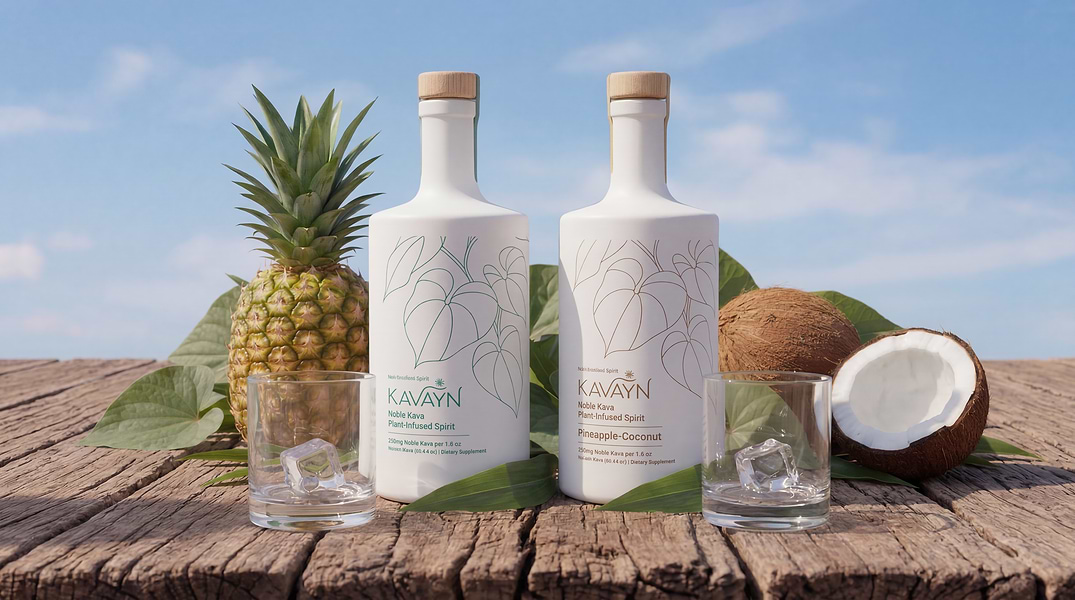
However, some kava labels may simply indicate how much kava the product contains per serving, and not providing specifics of kavalactone content. For example, when looking at the Kavayn spirit kava product, you will notice the total amount of kava per serving to be 438 mg with 350 mg coming from 80% standardized kavalactones (438 x .80 = 350). As you can see, the amount of kavalactones in this product are within the efficacious amounts of kavalactones shown in research.

Conversely, in the second example, the kava label reads there is 500mg of kava root in the product, but it does not indicate how much kavalactones you are getting with this product. Most consumers will see the 500mg of kava and think they are getting plenty of kava; however, you don’t know how much of the active ingredient (i.e. kavalactones) are in the product, thus leaving the customer with a product that’s potentially less efficacious, if at all.

The second key piece to look for on kava labels is the use of noble kava.
Noble kava is the traditional variety used for daily consumption in Pacific Islands and is considered the gold standard for safety.
This form of kava helps to offer a good balance of relaxation and mental calmness without any “hangover” effects that can be experienced when consuming non-noble kava (amongst other negative side effects).
Using the above kava labels as examples, you can see the Kavayn kava label lists Noble Kava Extract as the form of kava used for this product. In the second kava label example, it lists Kelai Vanuatu Kava Root as the form of kava used, and this may indeed come from noble kava, but its not listed as such, so the consumer can’t confirm.
In such situations, the consumer is now left “rolling the dice” on whether they are getting what they are paying for. In addition, although products such as this second example may look good for kava content, they typically come at a lower price point, making them a more attractive option.
Because noble kava is considered the gold standard in safety and effectiveness, it is more expensive; however, you have a better chance of “getting what you paid for” and decreasing the risk of negative side effects if the product lists the use of noble kava on the label.
As you can see, not all kava is created equal, so it will be important to know what to look for when researching kava products.
The amount of kavalactones is important, as it will indicate how much of the active kava ingredients are in the product, with 250mg/serving being the minimal ideal efficacious amount.
Secondly, look to make sure that noble kava is the kava of choice for the product. Seeing that noble kava is considered the gold standard, this form will offer consumers the biggest bang for their buck both for safety and efficacy.
Both of these scenarios are addressed in the production of Kavayn kava products (proper amounts of kavalactones and the use of noble kava), making it the ideal kava of choice.
References:
- Coulter, David, Tamayo, Carmen, Sotheeswaran, Subramaniam, Ulbricht, Catherine & World Health Organization (2007). Assessment of the risk of hepatotoxicity with kava products. World Health Organization. World Health Organization. https://iris.who.int/handle/10665/43630
- Teschke, R., Sarris, J., & Schweitzer, I. (2012). Kava hepatotoxicity in traditional and modern use: the presumed Pacific kava paradox hypothesis revisited. Br J Clin Pharmacol. Feb;73(2):170–174. doi: 10.1111/j.1365-2125.2011.04070.x
Try it for yourself
Vanuatu noble kava. A measured dose in every serving. Tested every batch.