Occasion & audience
Is kava good for sober-curious drinkers?
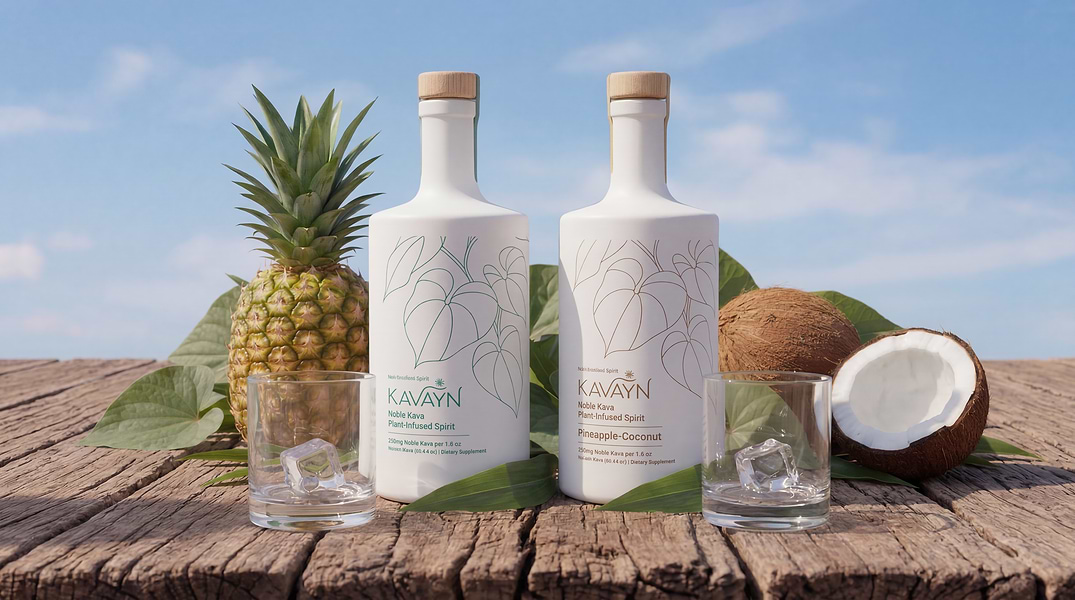
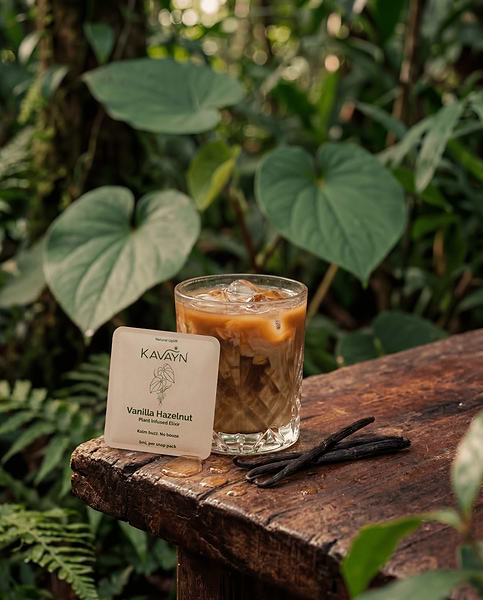
Kava suits the sober-curious pattern well, because the thing most people miss when they stop drinking isn't the alcohol — it's the ritual. A drink in your hand, something that marks the end of the working day, something to hold at a party. Kava fills that shape without containing any alcohol.
What it replaces, practically:
- Something in your hand socially — the same; poured, mixed, shared
- Marking the shift out of work mode — a relaxant, taken the same way
- Loosening social stiffness — a similar effect, through a different mechanism
- Intoxication — not replicated; kava leaves you clear-headed
That last one is the important one. Kava is not a substitute for being drunk and does not pretend to be. What it offers is the ritual and the physical unwinding, without the fog, the coordination loss or the next morning.
Why it works better than most of the non-alcoholic aisle. A lot of alcohol-free drinks are imitations — de-alcoholised wine that tastes like wine with something missing, or sweetened mocktails that are essentially soft drinks with a garnish. Kava isn't imitating anything. It's a drink in its own right that happens to contain no alcohol, which means it isn't measured against a version of itself that you can't have.
Socially it holds up. Kava is poured, mixed and shared the way a spirit is, so it doesn't mark you out at a table. For anyone who has spent an evening explaining why they're on soda water, that matters more than it sounds like it should.
No hangover. Which is generally the reason people started asking the question in the first place.
Related questions
Try it for yourself
Vanuatu noble kava. A measured dose in every serving. Tested every batch.